What are you looking for?
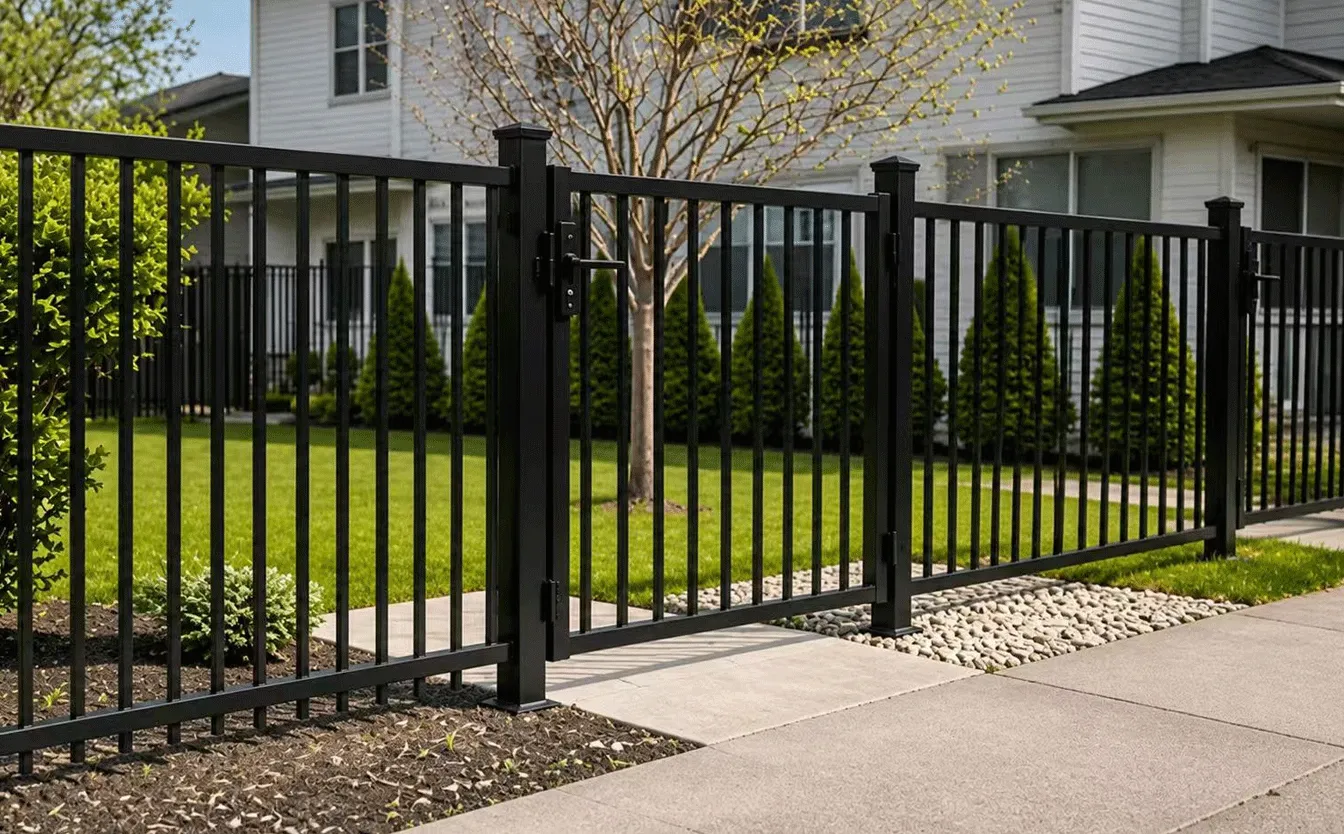
Getting a fence quotation from an overseas manufacturer can be quick when the requirements are clear. It can also turn into a long list of questions when the supplier has to guess what you actually need.
For contractors, distributors, and importers, the information sent at the beginning can make a big difference. A supplier does not need a complicated document, but the key product details should be clear enough to avoid different interpretations.
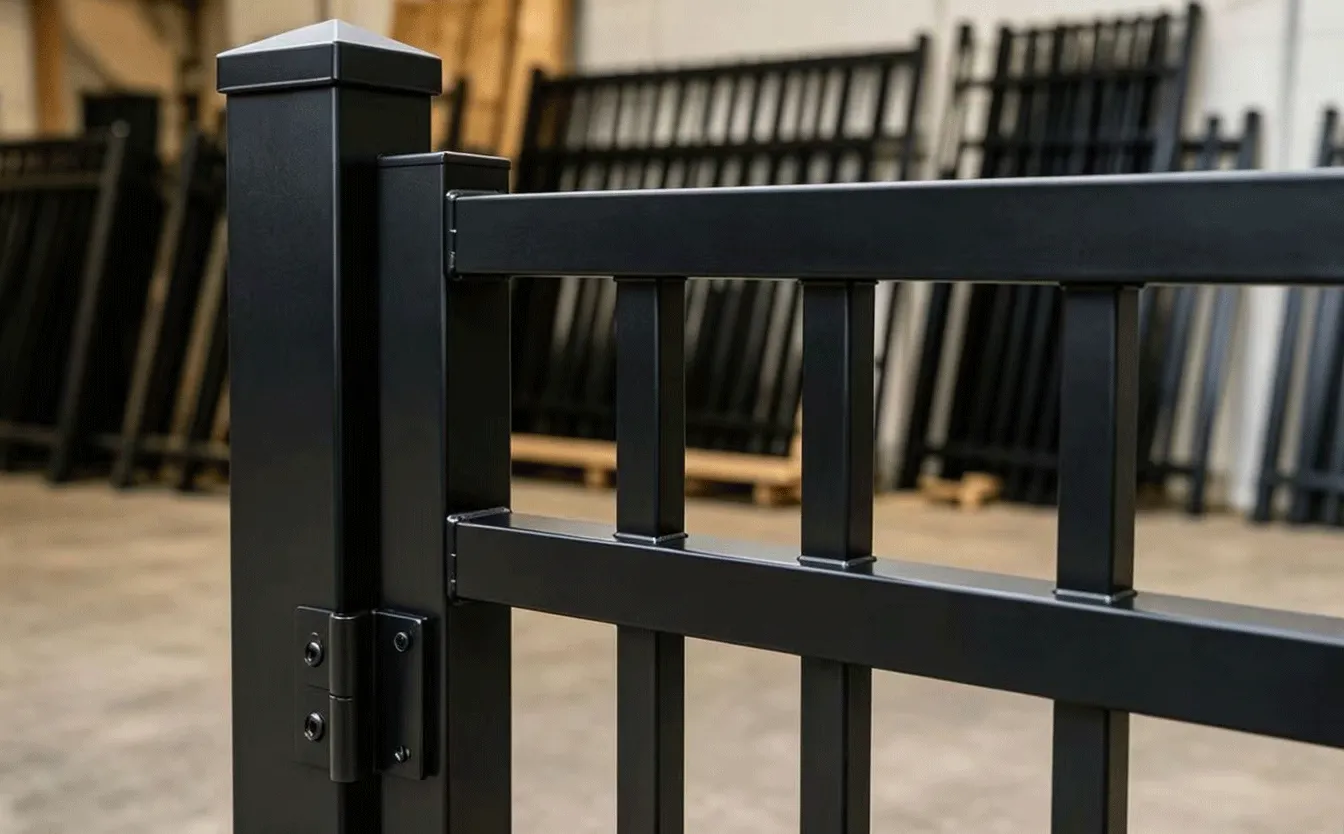
A product photo is useful, but it is rarely enough for a proper quotation.
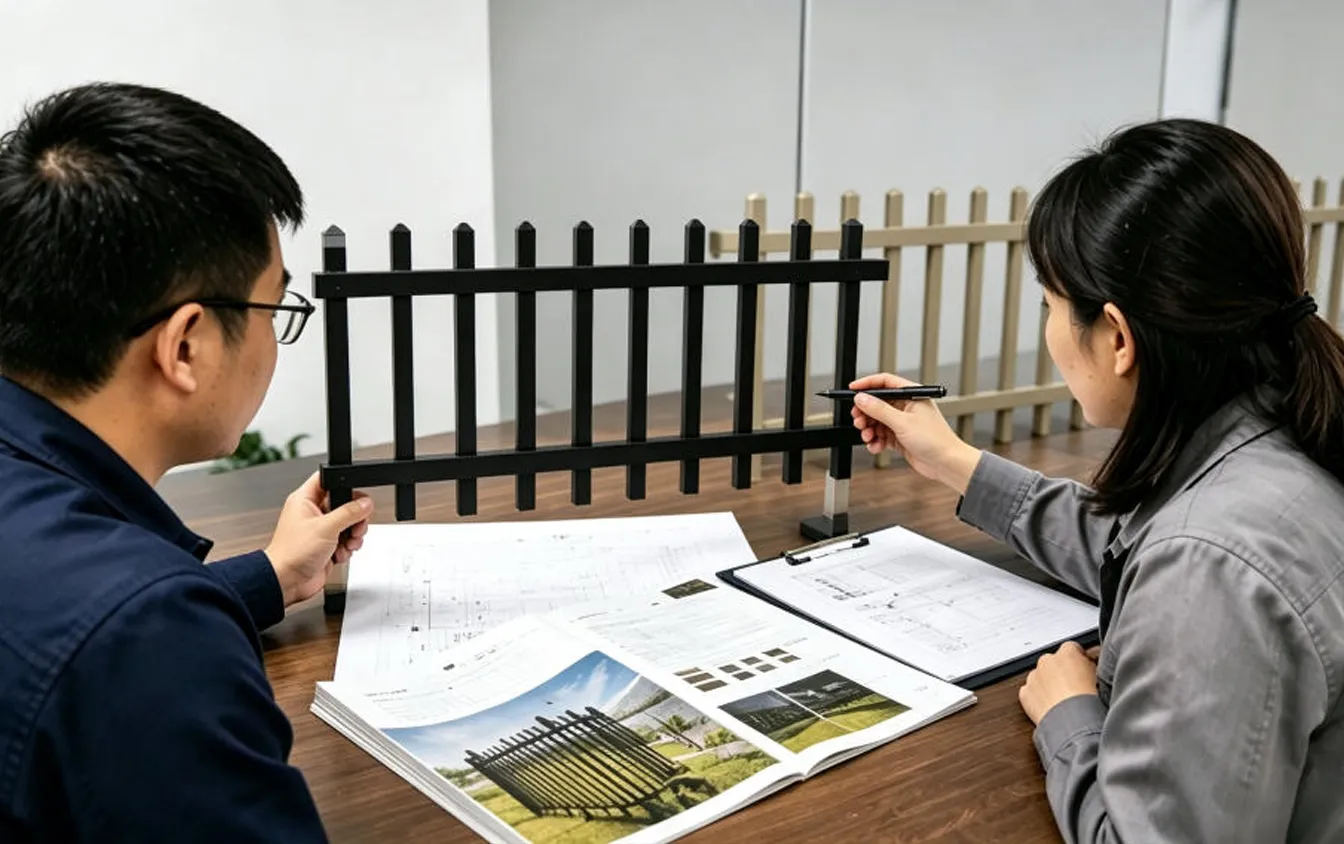
If you have a specific fence style in mind, tell the manufacturer the finished height and panel width. Post dimensions, rail size, picket size and spacing should also be included when they are already decided.
If the project uses more than one size, list them separately. Otherwise, the supplier may assume that all panels have the same dimensions.
A simple drawing with the main measurements can be much more useful than several photos.
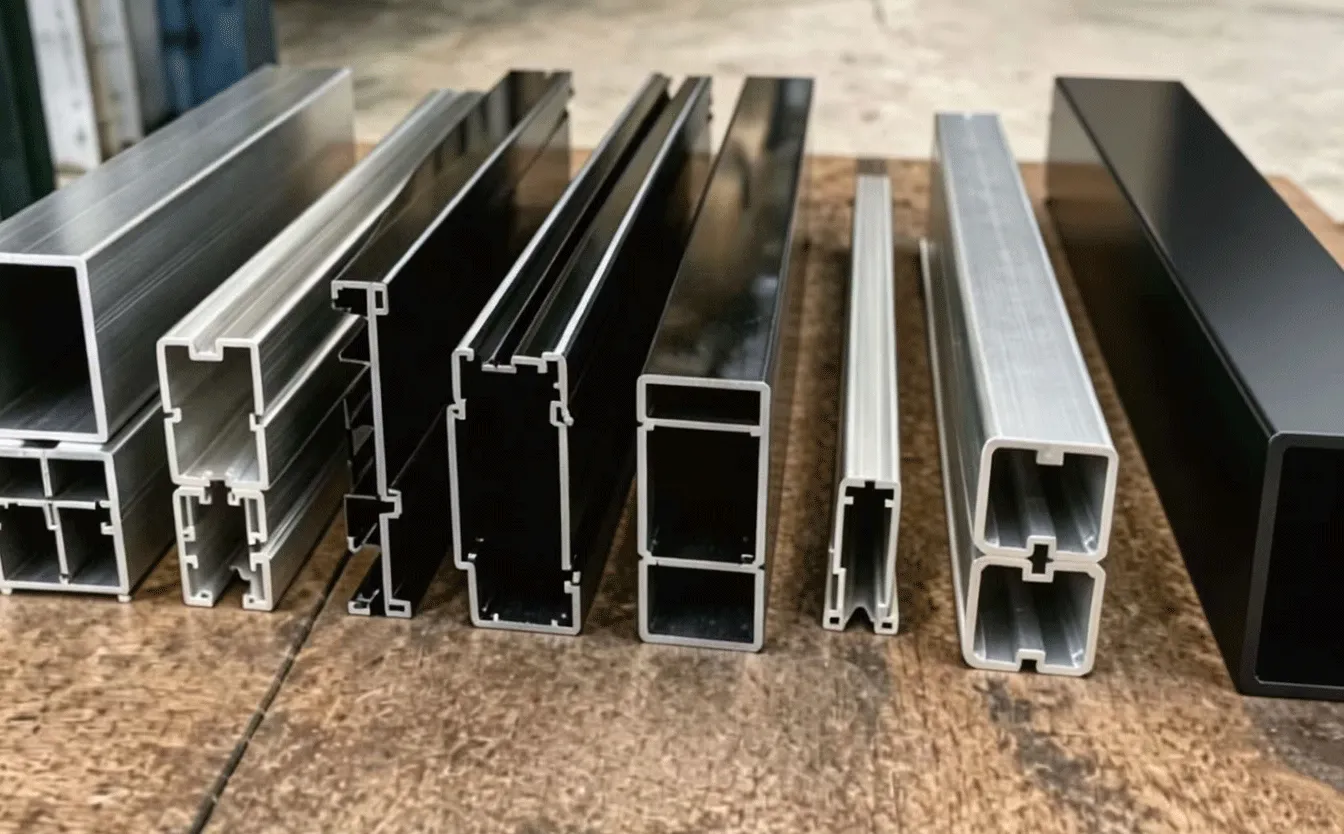
Two fences can look almost identical while using different amounts of metal.
For aluminum fencing, specify the alloy or material grade if your project has a requirement. For steel fencing, the steel specification and coating system should be confirmed as well.
Wall thickness is particularly important when comparing quotations. A lower price may simply reflect a thinner profile or a different material specification.
If you are comparing several suppliers, make sure they are quoting against the same material and profile requirements before deciding which price is better.
Saying “black powder coating” gives a manufacturer a starting point, but some projects require more detail.
If you already have a colour reference, provide it. You can also specify whether you want a smooth or textured finish and whether there are particular surface-quality requirements.
For projects in coastal or other demanding environments, it is worth mentioning the installation conditions before production. The manufacturer can then recommend a suitable finishing system rather than making assumptions.
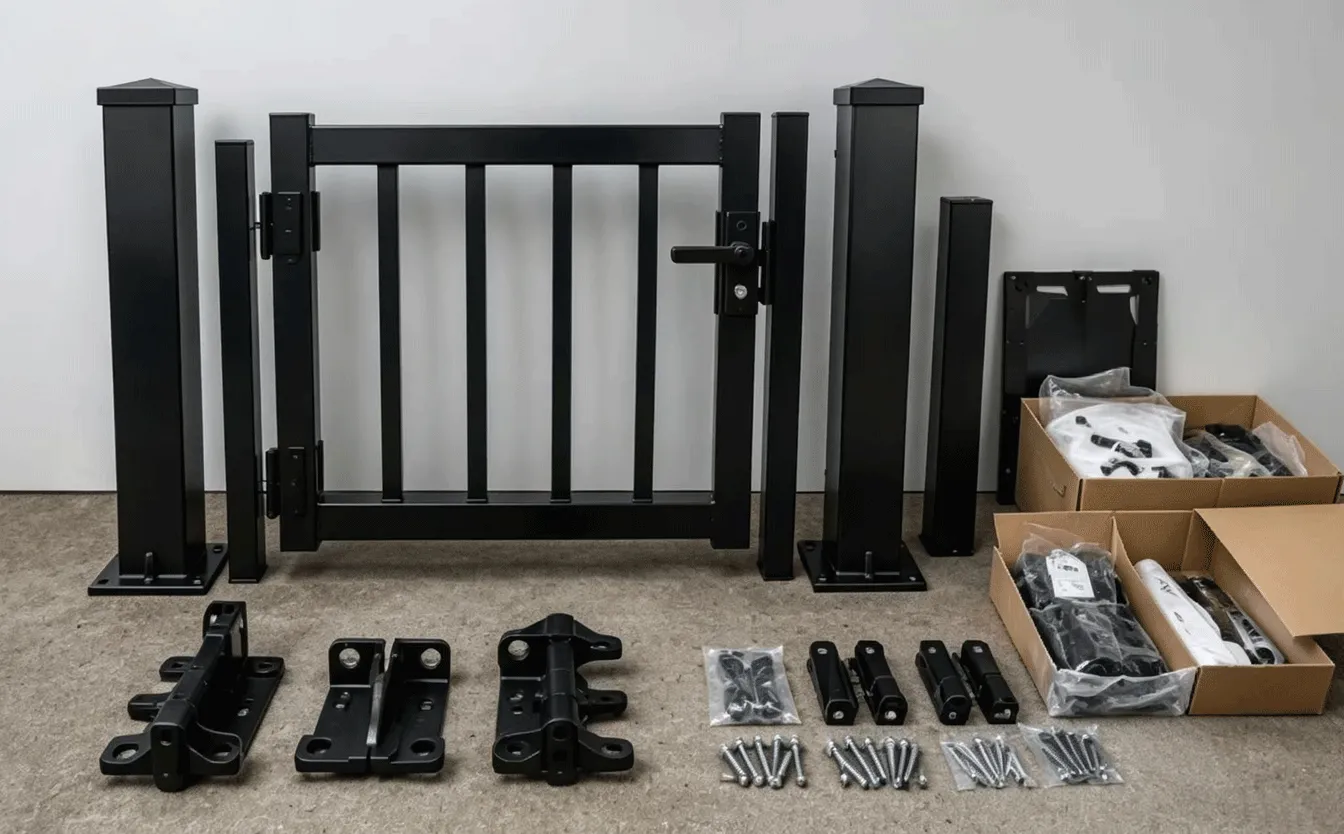
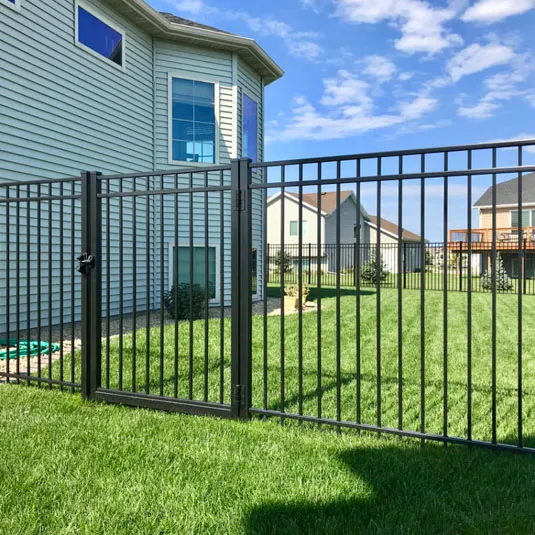
If your project includes gates, list them separately from the fence panels.
Provide the number of gates, approximate dimensions, and whether they are single or double. If the opening direction has been decided, include that as well.
Hardware should also be discussed early. Hinges, latches, drop bolts and other components need to work with the gate frame and posts.
For larger gates, the supporting post may also require a different specification from a normal fence post.
An estimated quantity is better than no quantity at all.
Try to provide the number of panels, posts, gates and major accessories. If the final quantity is not confirmed, give an expected range.
This allows the manufacturer to understand the size of the order and prepare a quotation based on something closer to the actual project.
You do not need a complicated specification package to start a conversation.
A useful enquiry can be as simple as a drawing or specification sheet containing the main dimensions, material, wall thickness, finish, quantities, gate requirements and accessories.
For overseas buyers, this makes quotations much easier to compare. More importantly, it gives the manufacturer a clear reference for production later.
A good fence quotation starts with clear information. The more precisely the product is defined, the less room there is for misunderstanding between the buyer and the manufacturer.