

What are you looking for?
When sourcing metal fencing from China, many buyers start with comparing prices.
A lower quotation may look attractive at the beginning, but the real cost of an import order depends on much more than the product price. Incorrect specifications, inconsistent quality, poor communication, or unsuitable packaging can create additional costs and delays after the order has already started.
For fence distributors, contractors, and project buyers, choosing the right manufacturing partner is about reducing these risks before they happen.
Most fencing problems do not come from the final production stage. They usually start with unclear requirements at the beginning.
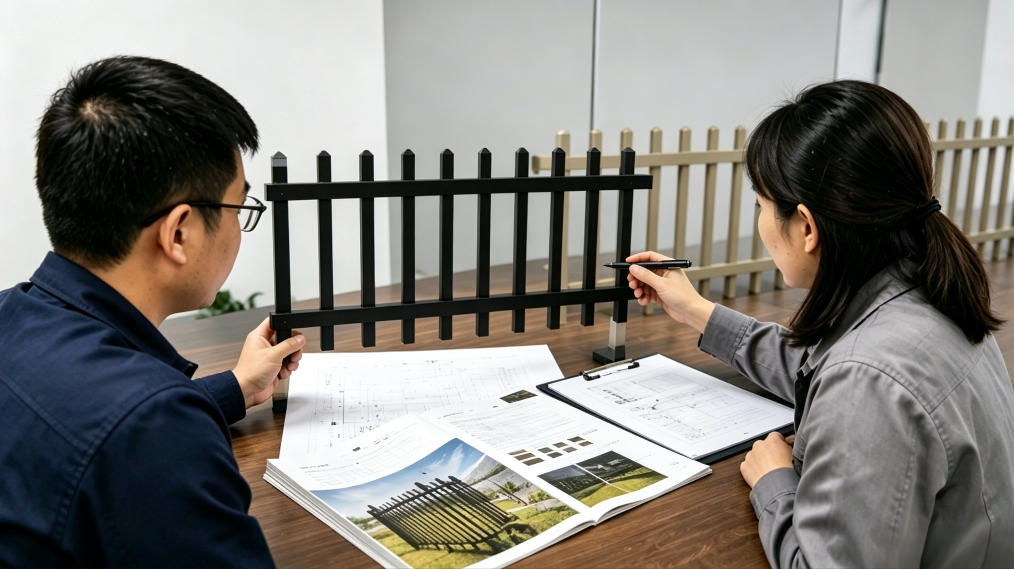
A fence may look similar in a photo, but small differences in material, profile size, thickness, dimensions, coating, and accessories can affect installation and long-term performance.
Before production, experienced buyers usually confirm the technical details with the supplier through drawings, specifications, or samples. This helps both sides understand exactly what will be produced and reduces the chance of changes after manufacturing begins.
For custom projects, clear communication at this stage is especially important. Details such as fence height, panel width, gate design, and installation requirements should be reviewed carefully before materials are prepared.
Quality control should not only happen when the products are finished.
A reliable manufacturer manages quality throughout the production process, from checking incoming materials to inspecting finished products before shipment.
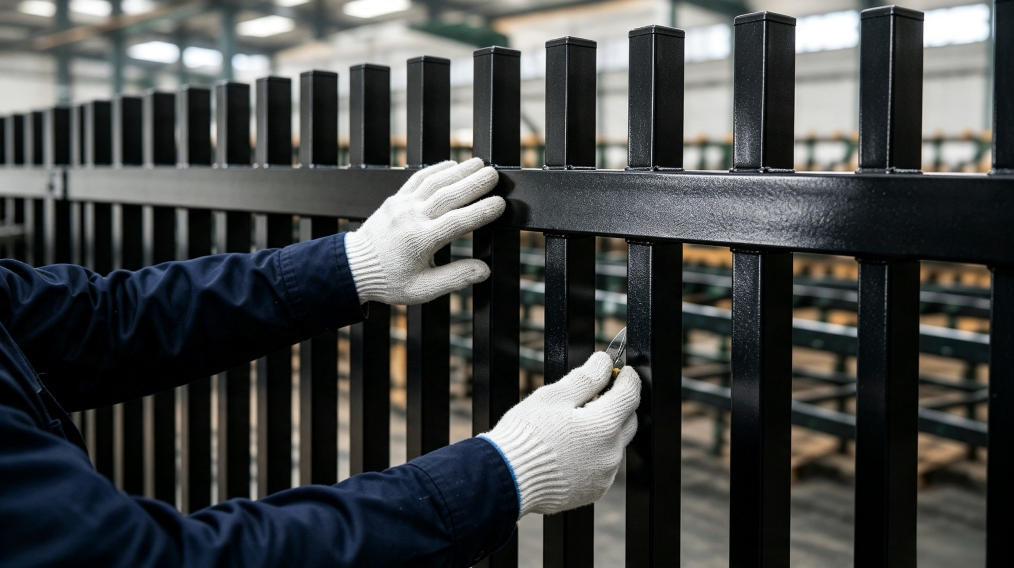
During production, important points such as welding quality, surface treatment, dimensions, and assembly should be monitored to ensure consistency.
This is particularly important for repeat orders. A supplier that can maintain the same standards from one shipment to another helps buyers avoid unexpected differences between projects.
For first-time cooperation, buyers should pay attention to how the supplier communicates and manages the project.
A capable manufacturer should be able to review technical drawings, confirm production details, provide progress updates, and explain any issues that appear during manufacturing.
Good communication is not only about replying quickly. It is about making sure both sides have the same understanding before decisions are made.
A small misunderstanding at the beginning can become a much bigger problem when hundreds of fence panels are already in production.
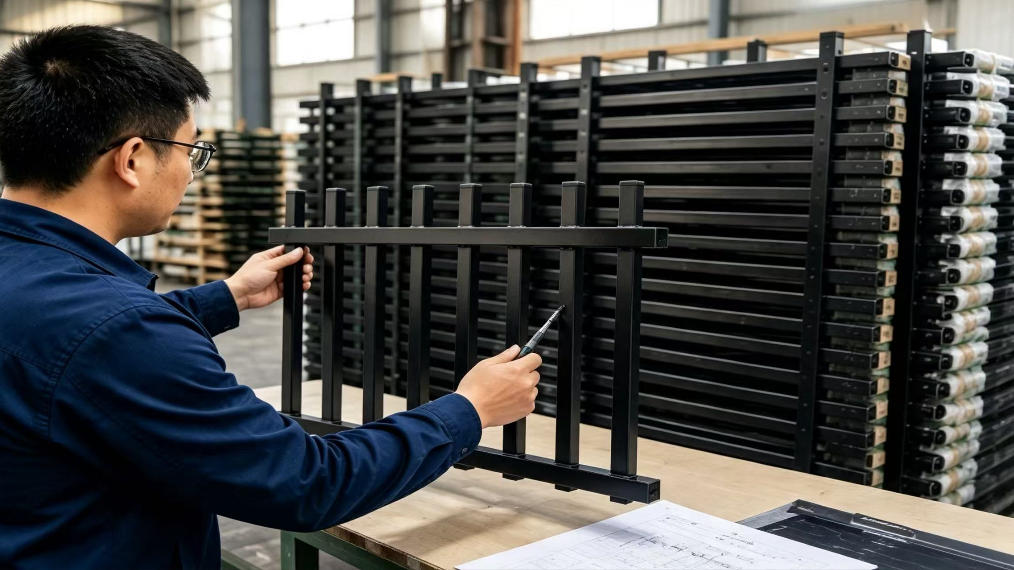
The responsibility of a supplier does not end when production is completed.
Metal fencing often travels long distances by sea, and the products need to remain protected throughout transportation.
Proper export preparation includes suitable packaging methods, clear identification, and organised container loading. These details help reduce risks such as damaged surfaces, missing accessories, or difficulties during unloading.
For overseas buyers, a smooth delivery experience is part of the supplier’s value.
Importing metal fencing successfully requires more than finding a factory with a competitive price.
The right supplier should understand the complete process, from technical confirmation and production control to packaging and shipment preparation.
For distributors and contractors, working with a reliable manufacturer means fewer problems, easier project management, and more confidence when handling future orders.
A supplier’s real value is not only measured by the products they manufacture, but also by how well they help customers reduce risks throughout the entire purchasing process.