
What are you looking for?
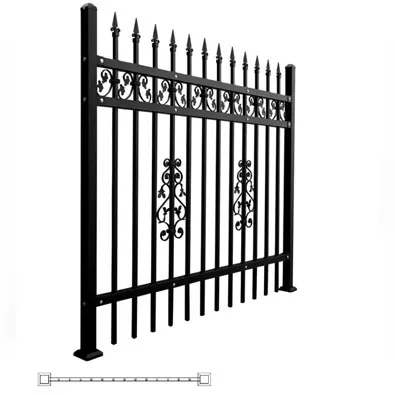
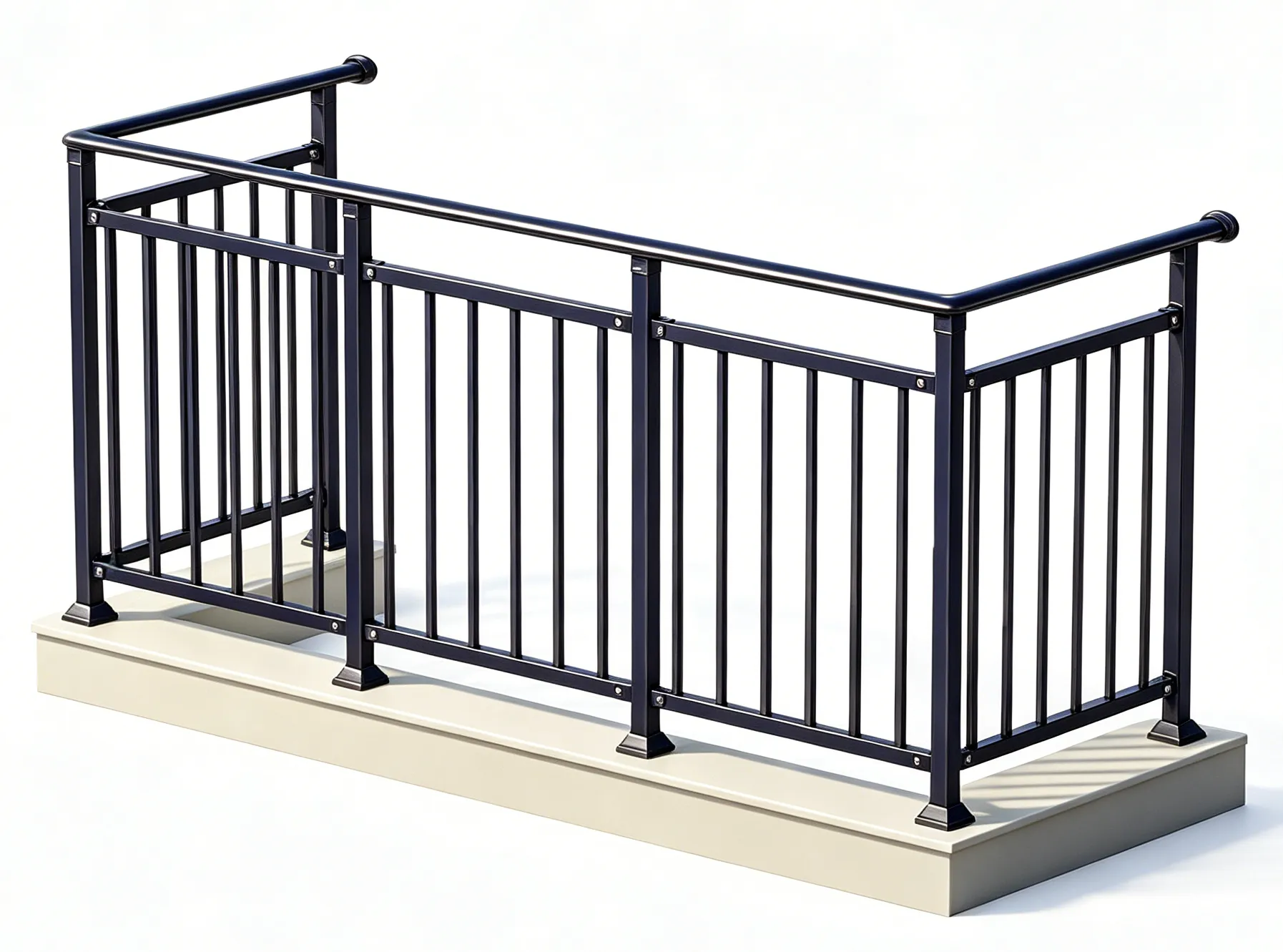
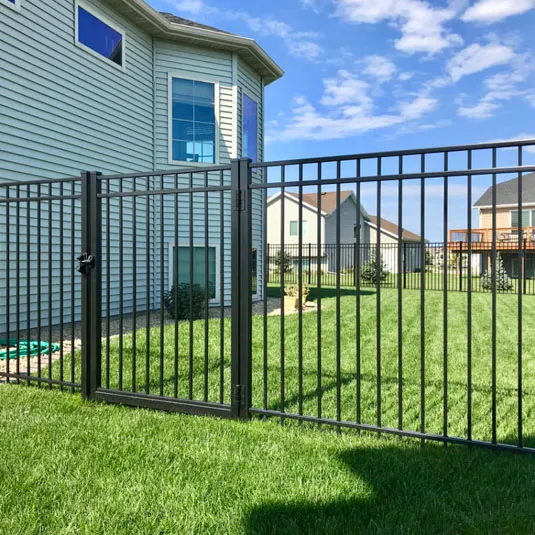
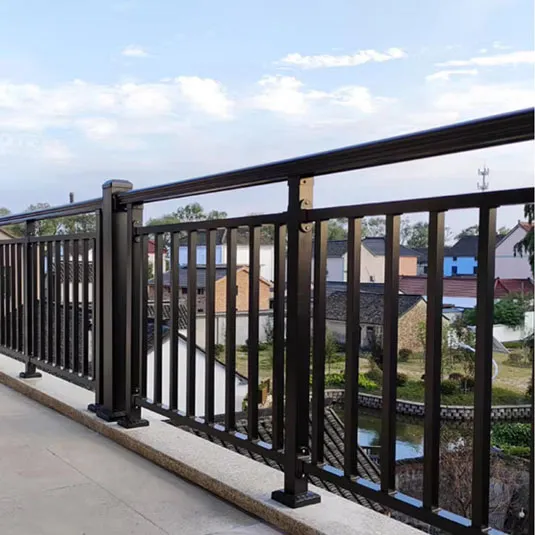
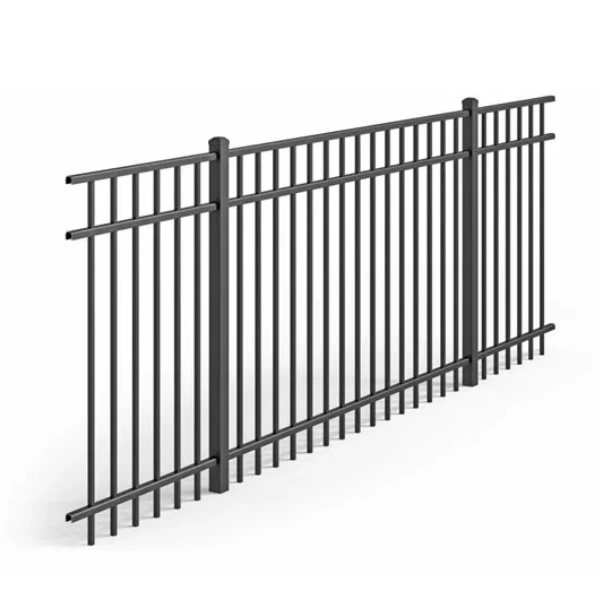
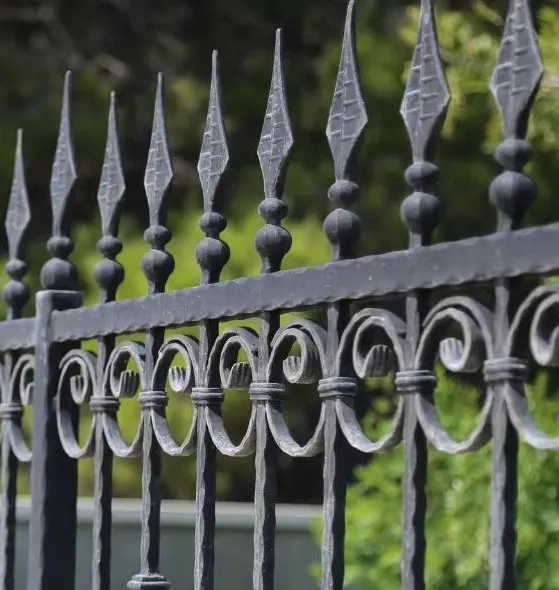
When you're looking for a fence supplier, product photos are usually the first thing you see.
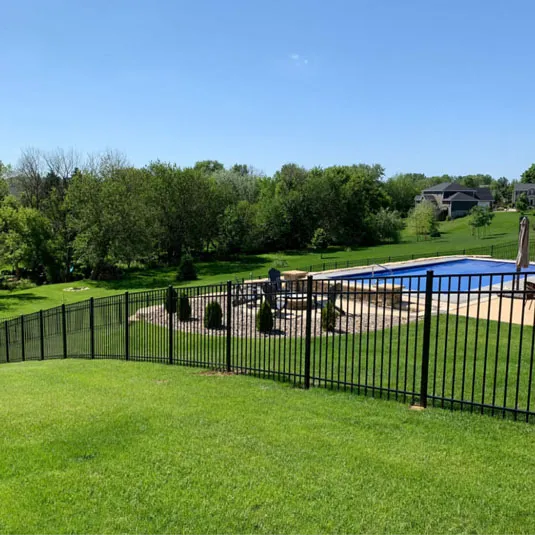
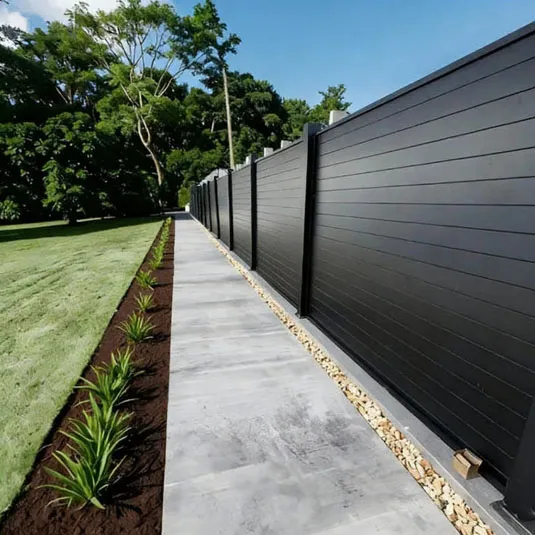
A well-designed fence in a residential project can tell you a lot about the style, colour, and overall finish. But if you're ordering fencing for a project, especially in custom sizes, a product photo is rarely enough to get an accurate quotation or start production.
For importers, distributors, and fence contractors, a clear drawing can often save more time than dozens of emails.
Two aluminum fence panels may look almost identical in photos but have very different specifications.
One may use 40 × 40 mm rails, while another uses a different profile. Panel widths, post sizes, wall thickness, and spacing can all vary without being obvious from a product image.
This becomes even more important when a customer needs a custom fence rather than a standard product.
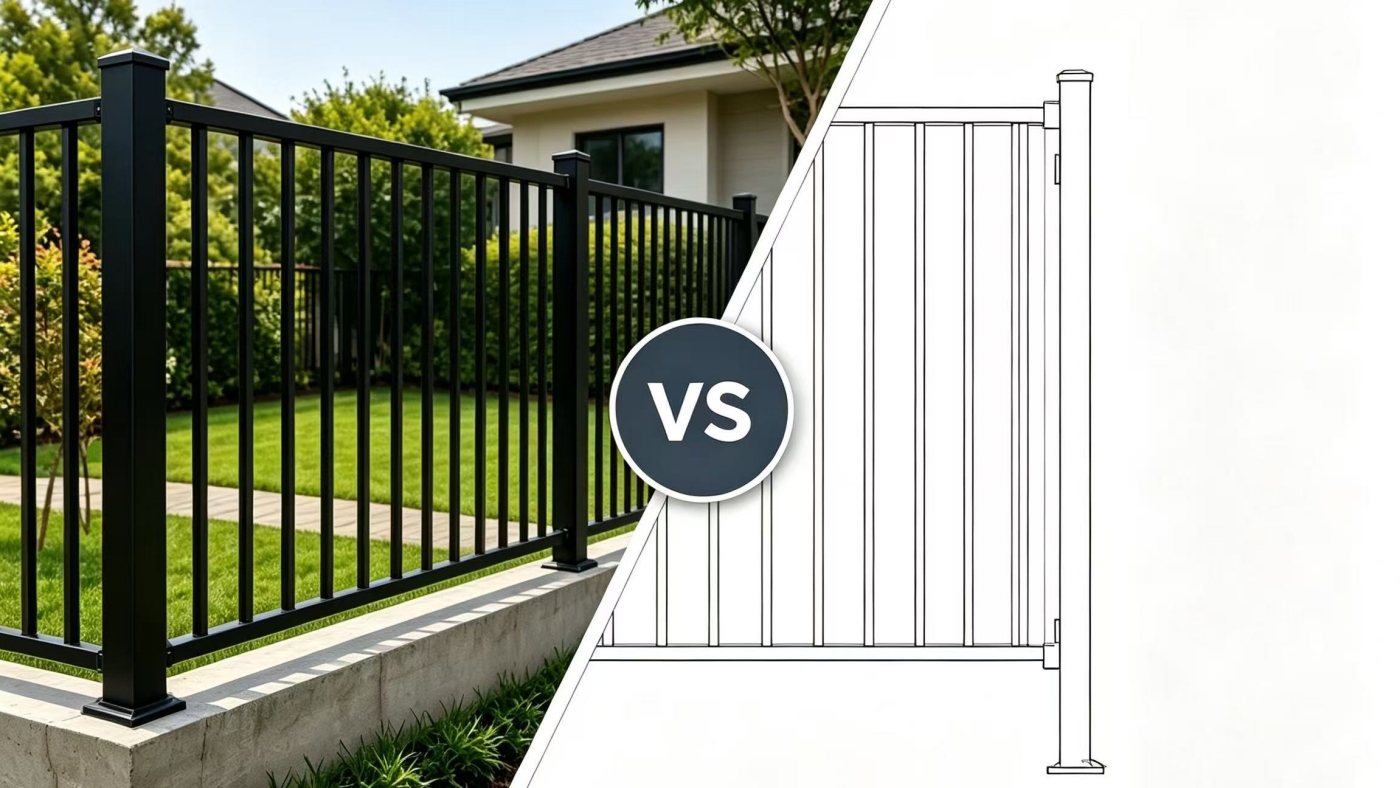
A photo can show what the fence looks like.
A drawing shows what needs to be manufactured.
One of the most common reasons for quotation revisions is incomplete information.
A customer may initially provide only the total length of fencing. But the final order could include different panel widths, multiple heights, pedestrian gates, double gates, corner posts, and special sections.
Without a clear layout, a supplier may have to make assumptions.
Those assumptions can lead to:
Repeated quotation revisions
Incorrect quantities
Missing accessories
Delays in confirming the final price
A simple drawing helps both sides work from the same information from the beginning.
Gates are a good example.
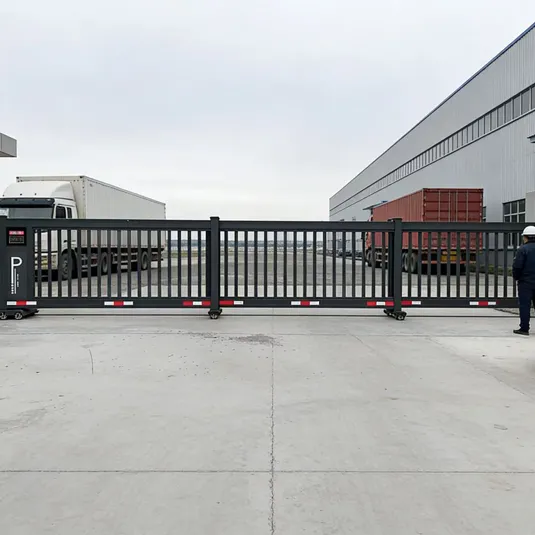
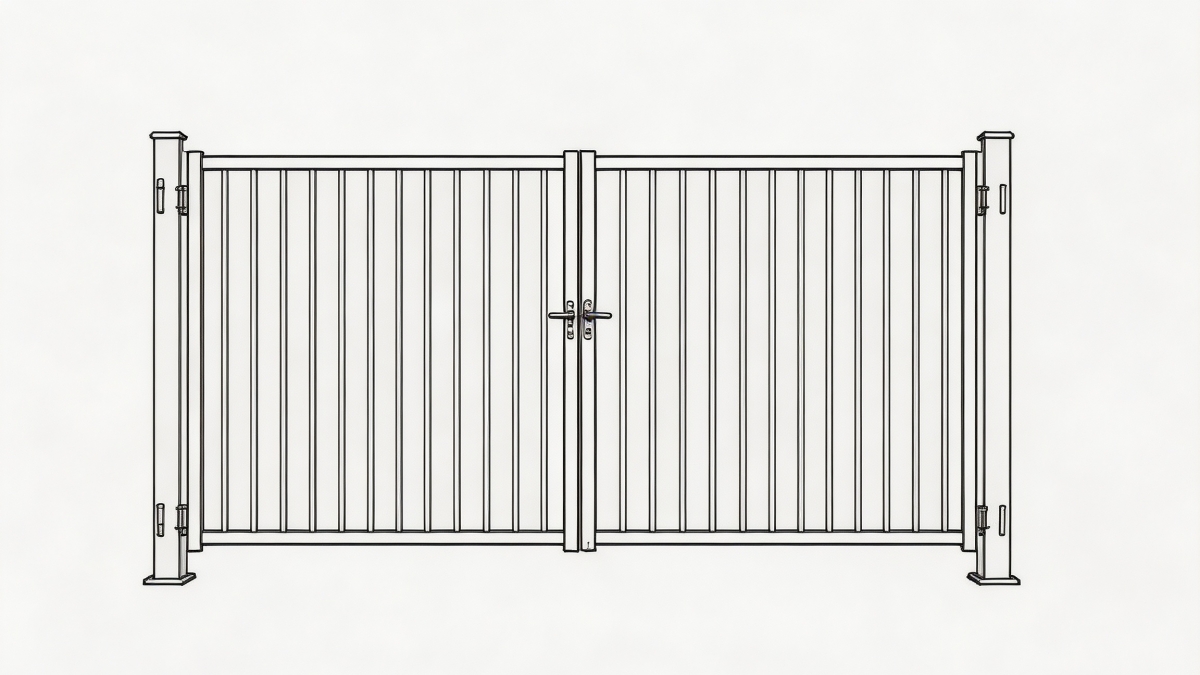
A photo may show a beautiful aluminum gate, but it doesn't tell a manufacturer everything needed to produce it.
The supplier may need to know:
Gate opening width
Gate height
Single or double gate
Post dimensions
Hinge requirements
Latch position
Direction of opening
The same applies to posts, brackets, and other accessories.
For a complete project, these details need to work together. Confirming them before production helps avoid expensive changes later.
For custom fencing, the production stage is where small misunderstandings can become costly.
If the panel width is wrong, the gate opening is different from the site requirement, or the post spacing doesn't match the installation plan, fixing the problem after production may mean remaking components or delaying the project.
A clear drawing gives the manufacturer a reference point before cutting, punching, welding, and finishing begin.
It also creates a useful record for future repeat orders.
If the same customer needs another batch months later, the original drawing can help the supplier reproduce the same specifications more consistently.
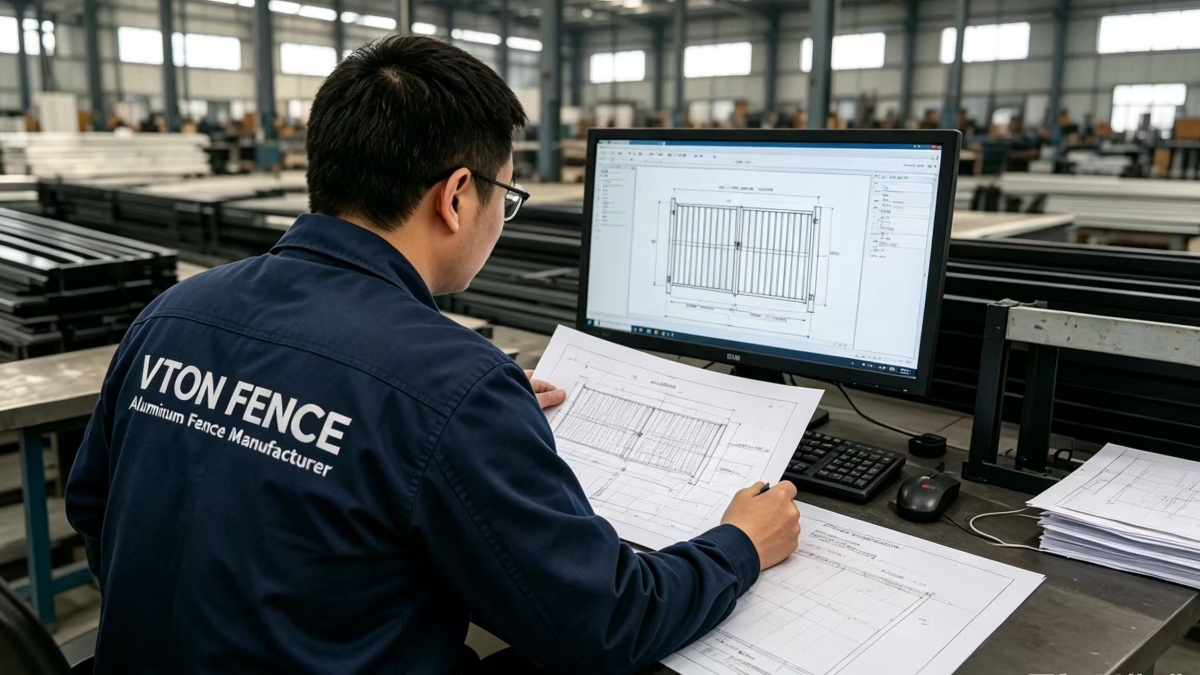
The drawing doesn't need to be professionally designed by an architect. Even a simple sketch can be helpful if it clearly shows the key information.
Ideally, include:
Overall fence dimensions
Panel width and height
Post size
Gate locations and openings
Quantity
Fence style
Colour or finish
Any special requirements
Site photos are also helpful, particularly when the project includes slopes, retaining walls, existing structures, or unusual installation conditions.
A good fence drawing doesn't just help a supplier manufacture the product. It helps both sides understand the project before making a commitment.
For importers and contractors, this means fewer quotation revisions and a clearer understanding of the final order. For manufacturers, it provides the information needed to calculate materials, confirm specifications, and identify potential production issues early.
Product photos are useful when you're choosing a style.
But when you're ready to discuss a real project, a drawing is often worth more than a hundred product photos.
If you already have a fence drawing, sharing it with your supplier is usually the fastest way to receive a more accurate quotation and determine whether the project can be manufactured to your requirements.
For fence importers, the production process doesn't end when the last panel is finished.
Before a container leaves the factory, there is one more stage that can have a major impact on the entire order: final checking and container loading.
A small mistake at this stage can become a much bigger problem once the container reaches its destination. Missing accessories, damaged powder coating, incorrect quantities, or poorly organised packages can all create unnecessary costs and delays.
For this reason, experienced importers often pay close attention to what happens before the container doors are closed.
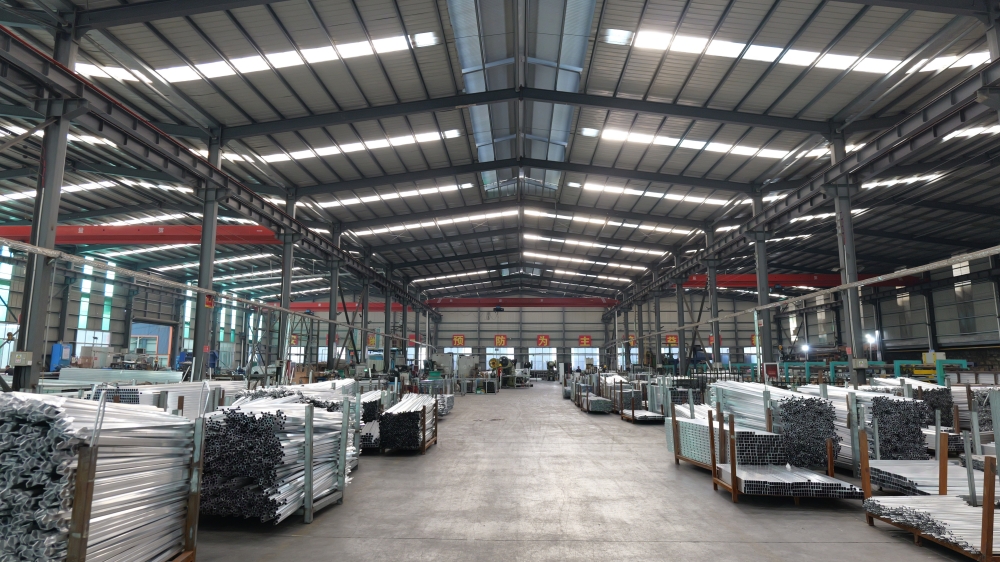
The first step is making sure the actual order matches the packing list.
This includes more than just fence panels. Posts, gates, brackets, hinges, latches, and other accessories should also be checked.
For larger projects, a simple quantity mistake can be difficult to identify after unloading. Confirming the quantities before loading provides an opportunity to correct problems while the products are still at the factory.
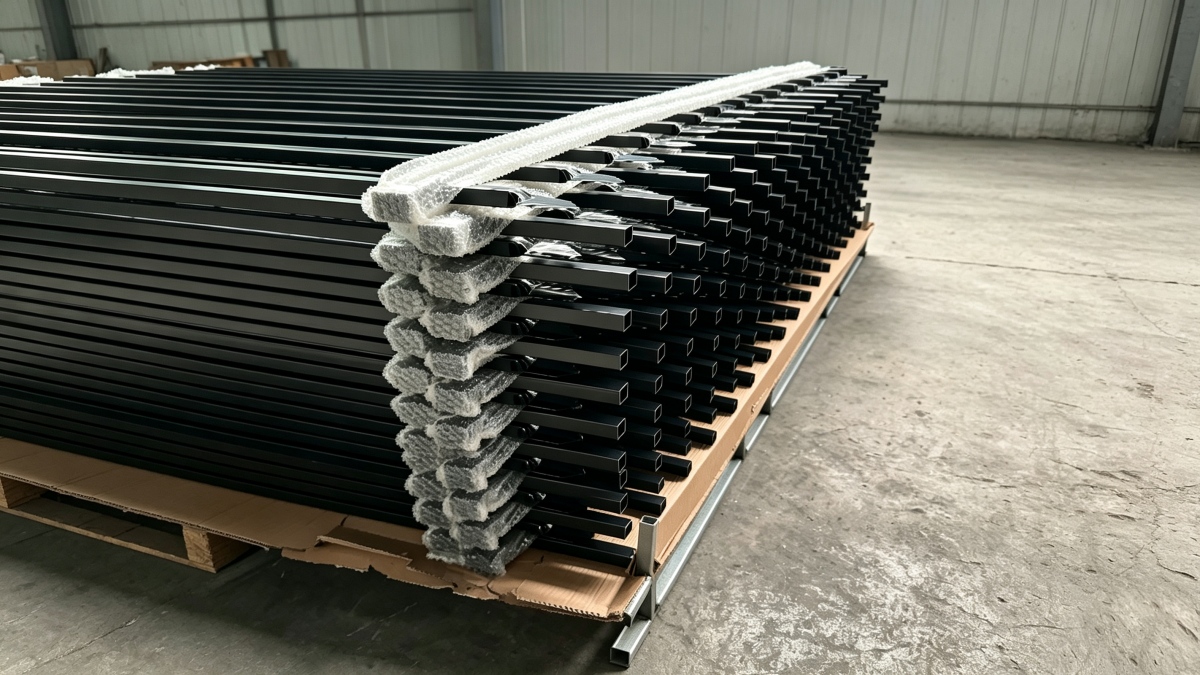
Aluminum fencing may have a durable powder-coated finish, but that doesn't mean it cannot be scratched during handling or transportation.
Individual protection, suitable separators, and corner protection can help reduce contact between products during loading and shipping.
This is particularly important for dark colours such as black, where small scratches can be more noticeable after installation.
Good packaging is not simply about making the products look neat. It is about ensuring that the products arrive in the same condition as when they left the production line.
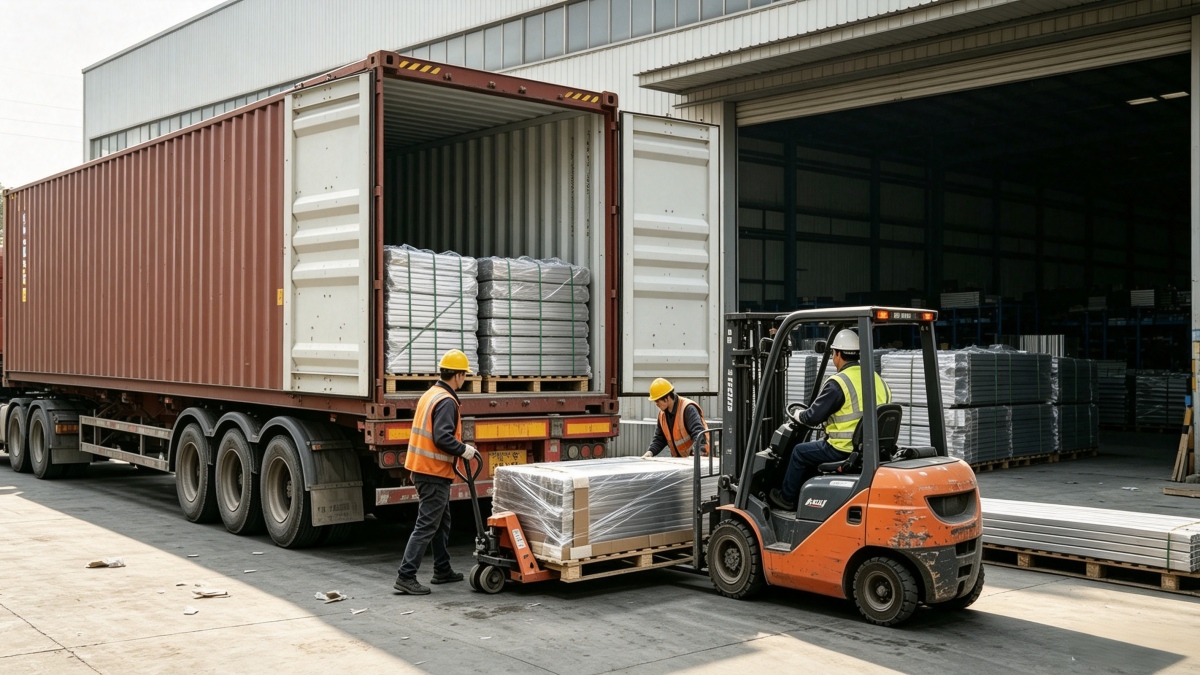
For importers, shipping costs are an important part of the total project cost.
Packaging needs to provide enough protection without taking up unnecessary container space.
The goal is to find the right balance between:
Product protection + Packaging efficiency + Container utilisation
Well-organised packaging can help reduce wasted space while keeping panels, posts, and accessories secure during transportation.
When a container contains hundreds of fence panels and accessories, identification becomes important.
Clear package labels can help customers quickly understand what each package contains.
Depending on the project, labels may include:
Product code
Panel dimensions
Quantity
Package number
Project reference
This is especially useful for distributors and contractors who need to move products from the container into a warehouse or directly to different project sites.
Before loading, the supplier and buyer should have a clear understanding of what is being shipped.
A final inspection may include checking:
Product quantities
Panel dimensions
Surface appearance
Gates and accessories
Packaging condition
Photos and videos taken before loading can also provide useful records for both sides.
Once the container leaves the factory, correcting a mistake becomes much more difficult and expensive.
That's why the loading stage should be treated as part of quality control—not simply the final step of shipping.
For importers, a well-organised loading process means receiving the right products, in the right quantities, with better protection and fewer surprises when the container arrives.
A reliable fence supplier should not only manufacture the products you order. They should also have a clear process for checking, protecting, packing, and loading those products before shipment.
The quality of an order is not only determined by what is produced. It is also determined by how well that order is prepared to reach its final destination.