
What are you looking for?
A quality fence is only as good as its installation. Even premium aluminum or steel fencing can experience problems if proper installation practices are not followed.
Understanding the most common fence installation mistakes can help homeowners, contractors, and installers avoid costly repairs and project delays.
One of the most common issues occurs before installation even begins.
Failing to accurately measure the fence line can result in:
Incorrect panel quantities
Improper gate placement
Unexpected material shortages
Always verify site dimensions before ordering materials.
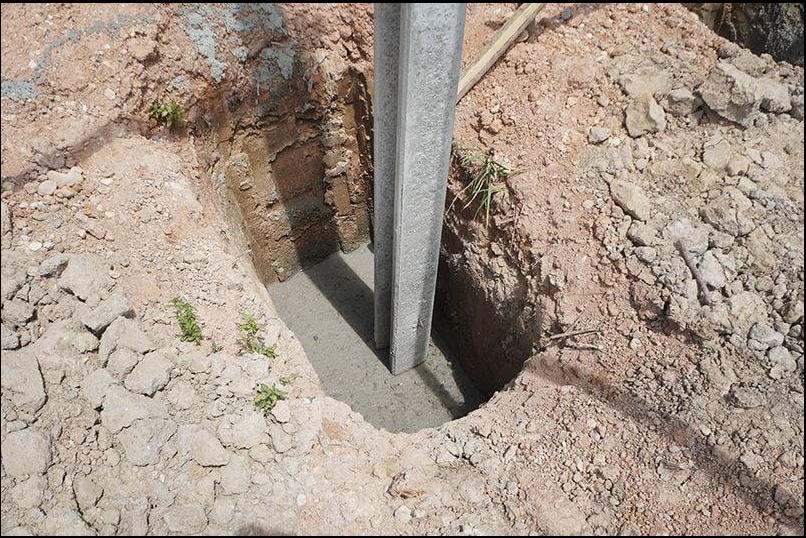
Fence posts provide the foundation of the entire fence system.
Posts installed too shallow may lean, shift, or fail during strong winds.
Most residential fence posts should be installed below the frost line where applicable and secured with properly mixed concrete.
If posts are not aligned correctly, the entire fence can appear uneven.
Using string lines, levels, and spacing guides during installation helps ensure a professional appearance.
Taking extra time during post placement can save hours of correction later.
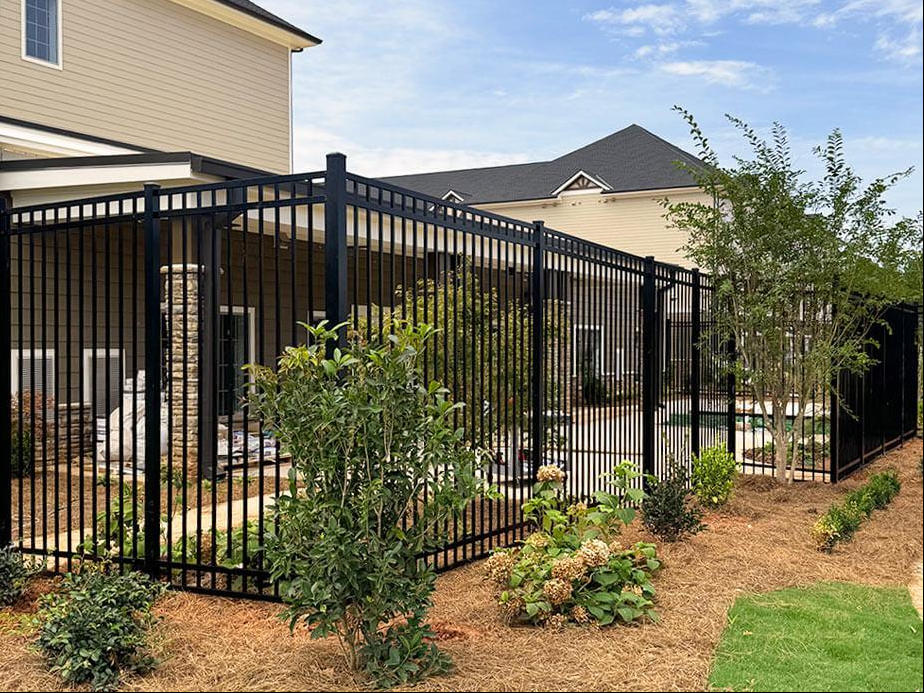
Many installations encounter slopes, uneven terrain, or drainage issues.
Failing to account for site conditions can create large gaps under panels or cause long-term stability problems.
Always evaluate the site before beginning construction.
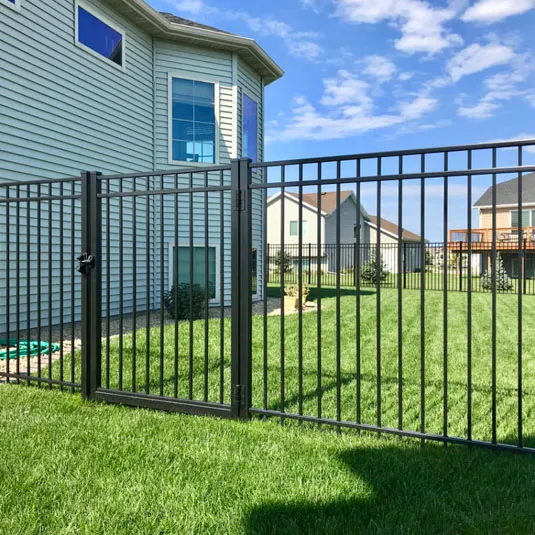
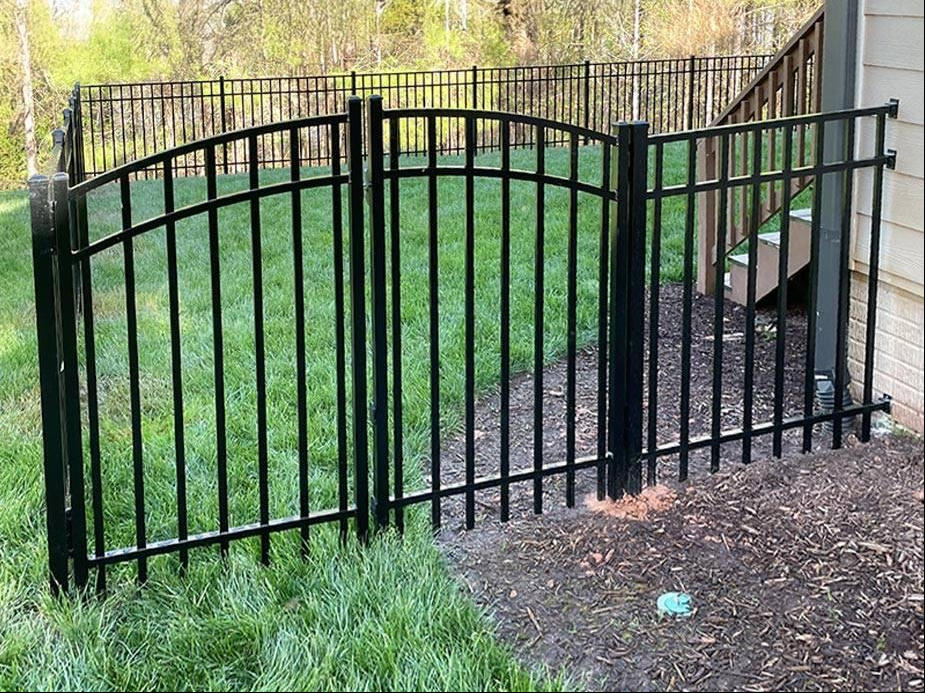
Gates are typically the most frequently used part of any fence system.
Common problems include:
Sagging gates
Misaligned latches
Binding hinges
Using reinforced gate posts and quality hardware can prevent these issues.
The lowest-priced fence may not provide the best long-term value.
Durability, maintenance requirements, coating quality, and warranty coverage should all be considered during product selection.
Successful fence installation depends on planning, accurate measurements, proper post installation, and attention to detail.
Avoiding these common mistakes can help ensure a stronger, more attractive fence that delivers years of reliable performance with minimal maintenance.