What are you looking for?
A fence is a long-term investment. Whether you are installing an aluminum fence, steel fence, or gate system, following proper installation practices can improve durability, appearance, and overall performance.
Here are some practical fence installation tips used by professional contractors.
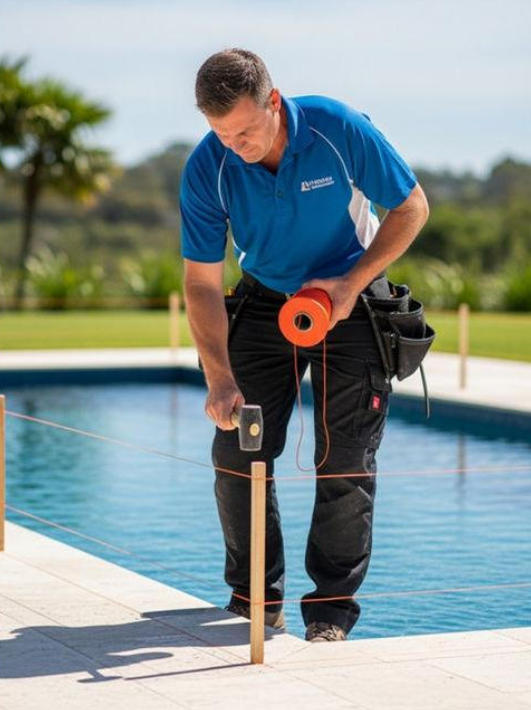
Many fence installation problems begin with incorrect measurements.
Before ordering materials:
• Confirm property boundaries
• Verify gate locations
• Measure multiple times
Accurate planning helps avoid delays and additional costs.
Different projects require different fencing solutions.
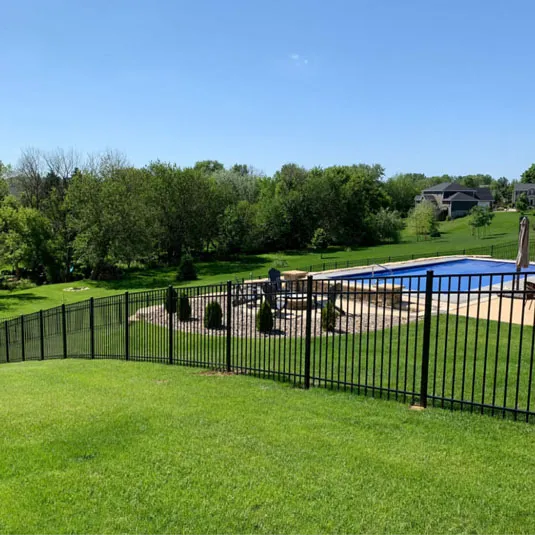
Aluminum fencing is ideal for:
• Residential properties
• Pool enclosures
• Coastal environments
Steel fencing is often selected for:
• Commercial applications
• Security projects
• Industrial sites
Selecting the right material can reduce future maintenance requirements.
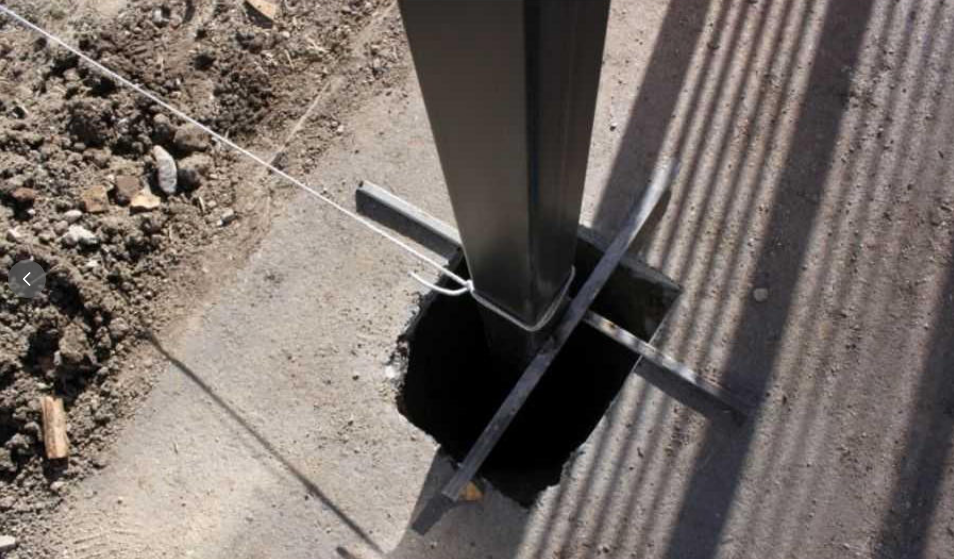
Fence posts are the foundation of every fence system.
Common best practices include:
• Digging below the frost line
• Using quality concrete
• Checking alignment with a level
• Allowing proper curing time
Strong posts help prevent fence movement and sagging.
Uneven ground can create installation challenges.
Professional installers often use:
• Rackable fence panels
• Stepped fence layouts
• Additional grading when necessary
Proper drainage also helps protect fence stability over time.
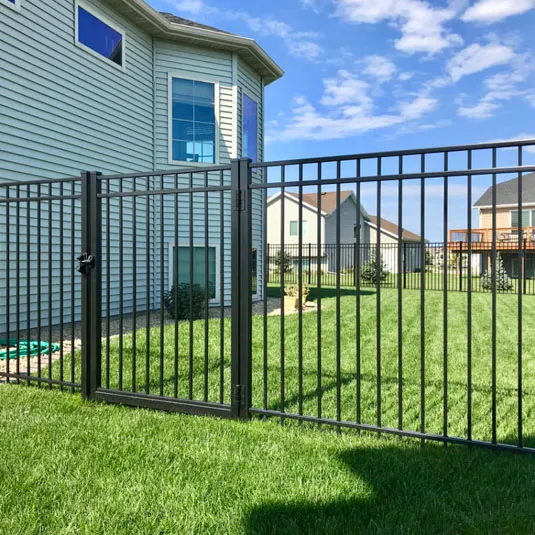
Many fence failures occur at gate openings.
To improve gate performance:
• Reinforce gate posts
• Use high-quality hinges
• Verify latch alignment
• Test operation before project completion
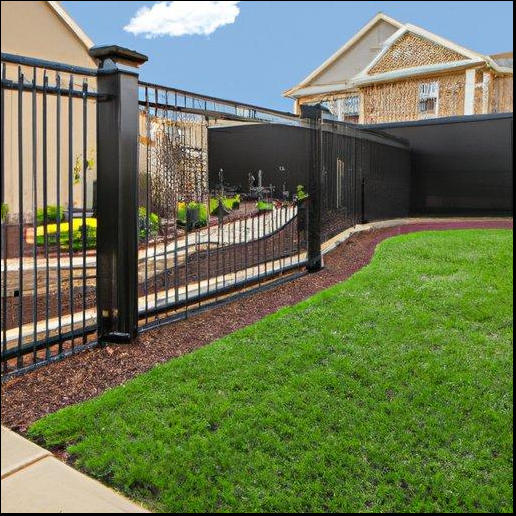
Before considering the project complete, inspect:
• Fence alignment
• Fastener tightness
• Gate functionality
• Overall appearance
Small adjustments can significantly improve the finished result.
Successful fence installation is not only about materials—it is about proper planning, accurate measurements, and attention to detail.
Following these fence installation tips can help homeowners and contractors achieve a stronger, safer, and more attractive fence that will provide long-lasting value.