What are you looking for?
When planning a new aluminum fence, many homeowners spend time choosing colours and styles but overlook one of the most important decisions—the fence height. The right height affects privacy, security, appearance, and even compliance with local building regulations.
A fence that is too low may not provide enough privacy or security, while one that is too high can affect the appearance of your property or fail to meet local regulations. The best height depends on where the fence will be installed and what you want it to achieve.
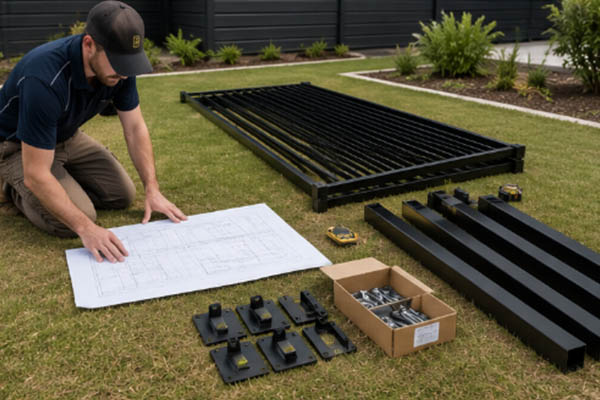
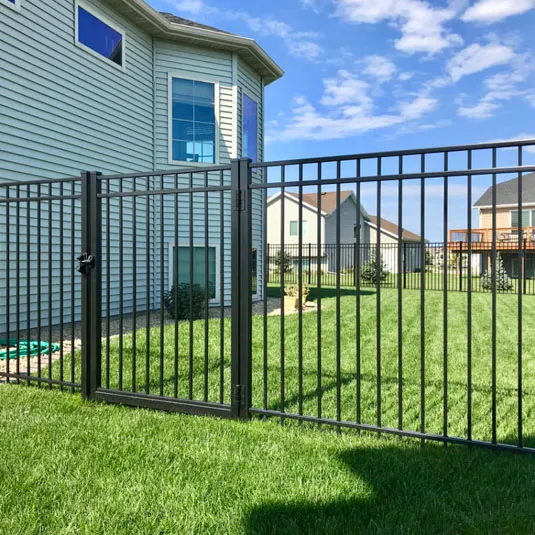
Front yard fences are usually designed to improve the appearance of a home while providing a clear property boundary. A fence that is too high may make the front of a home feel closed off, while a lower fence helps maintain an open streetscape.
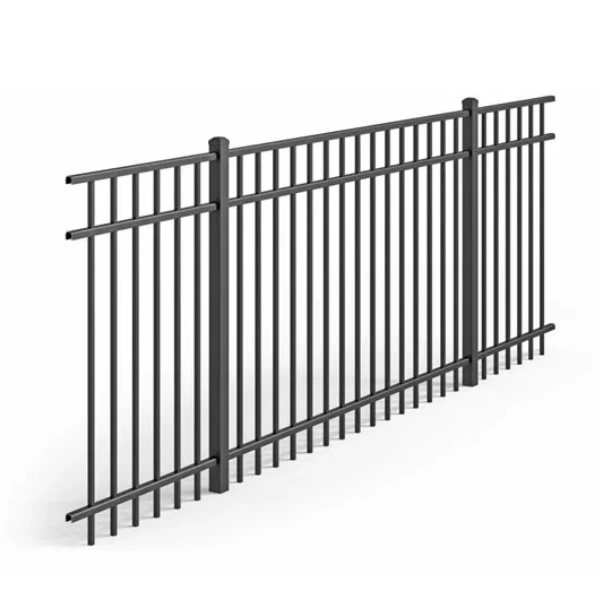
For many residential projects, a lower aluminum fence creates an open and welcoming look without blocking the view of the house. Flat top aluminum fencing is a popular choice because of its clean design and low maintenance.
Backyard fences often serve a different purpose. In addition to defining the property line, they provide more privacy and help create a comfortable outdoor space for family activities. A medium-height fence allows homeowners to enjoy outdoor living areas while keeping the garden visually connected to the surrounding landscape.
Many homeowners choose medium-height aluminum fencing that offers a balance between visibility, security, and modern appearance.
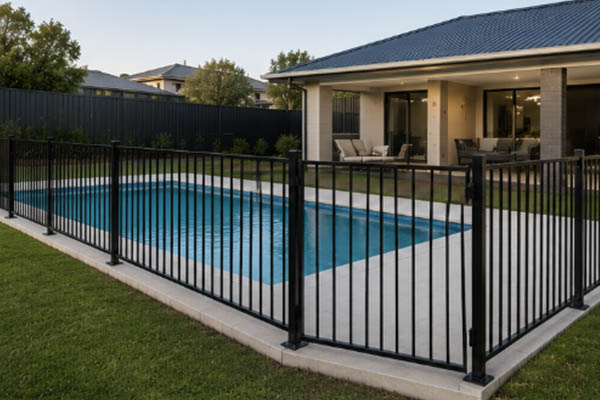
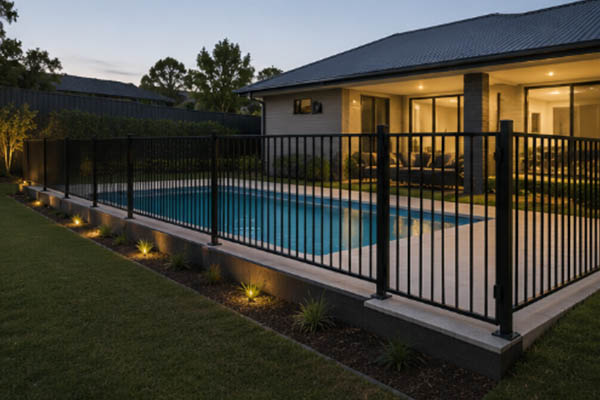
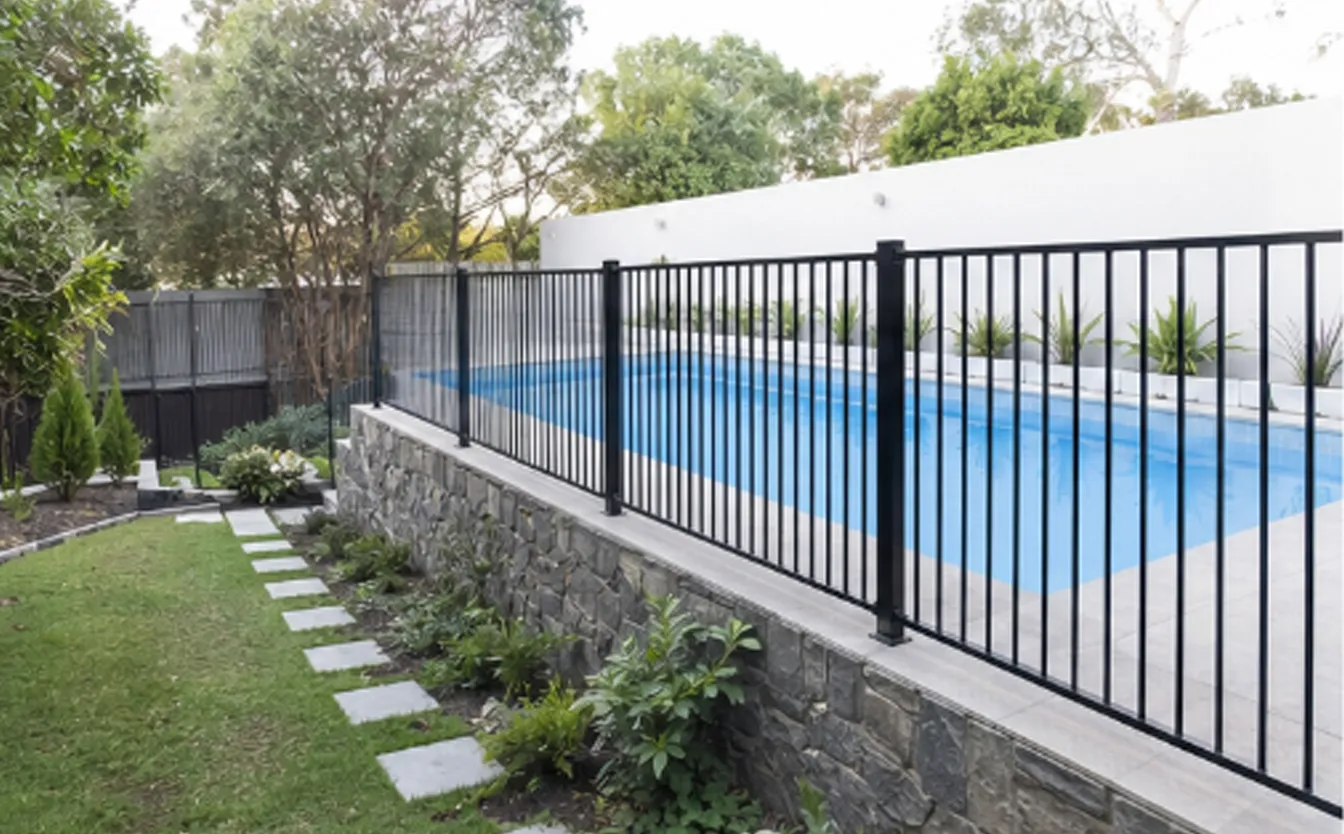
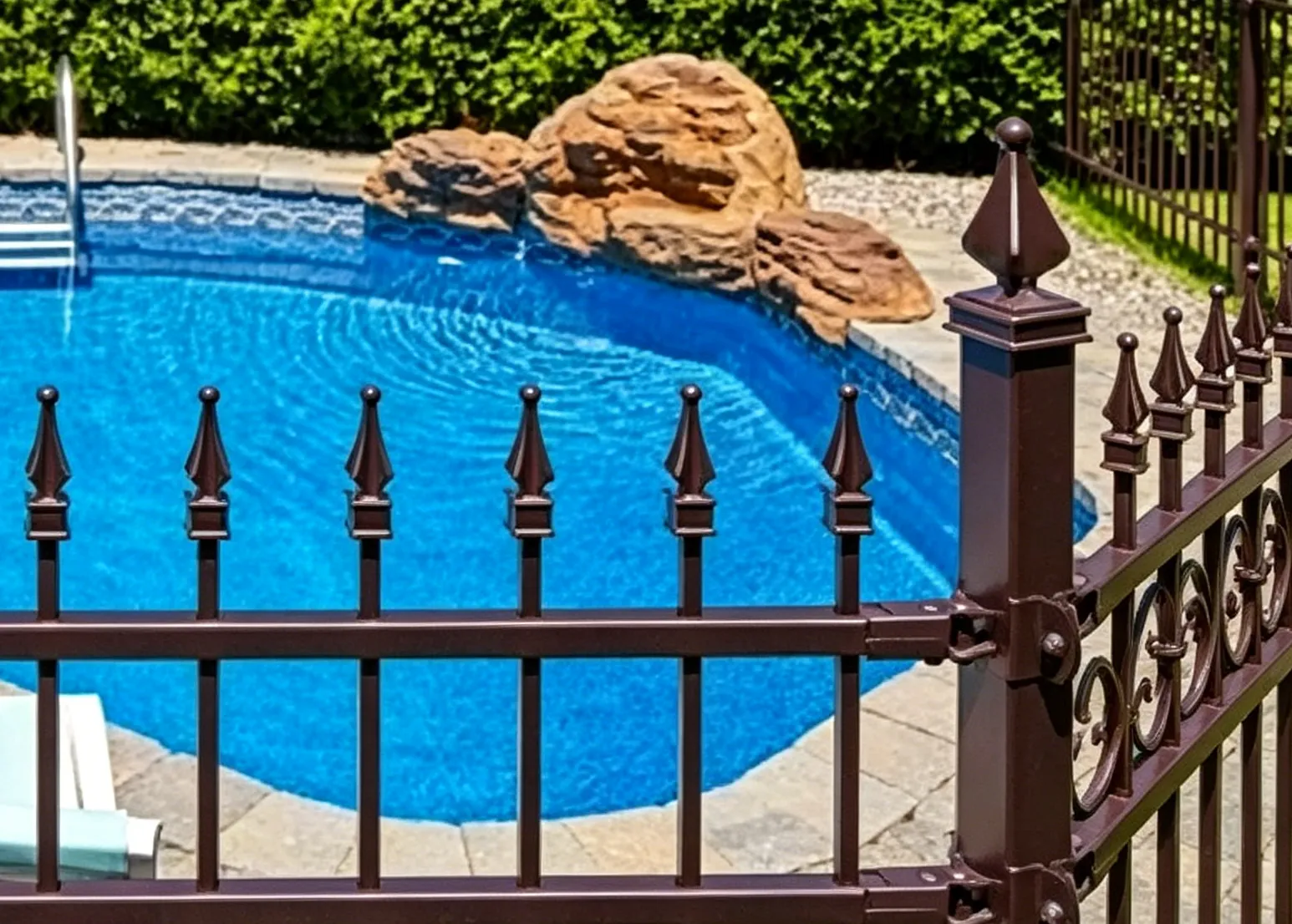
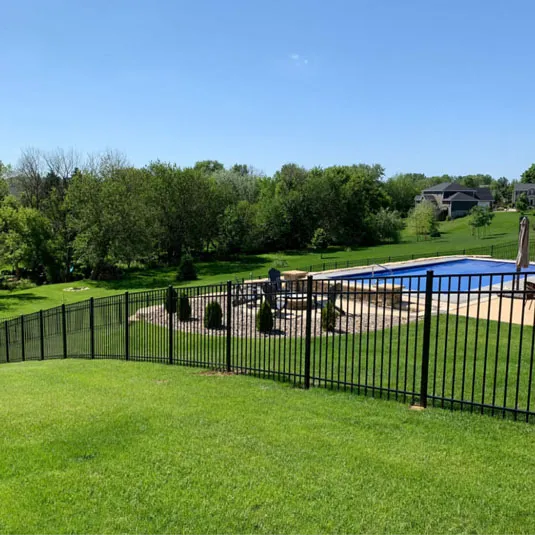
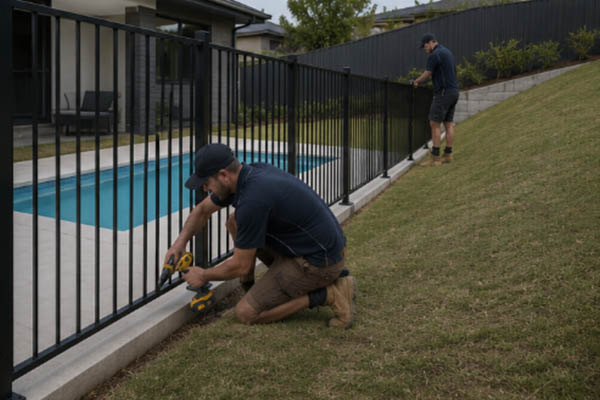
Pool fencing should always meet local safety requirements before appearance becomes a consideration. Local regulations often specify minimum fence heights and gate requirements to improve child safety.
Flat top aluminum pool fencing is widely used because it combines durability, corrosion resistance, and a simple design that works well with modern homes. Before ordering, it's important to confirm the required fence height and gate specifications according to local building regulations.
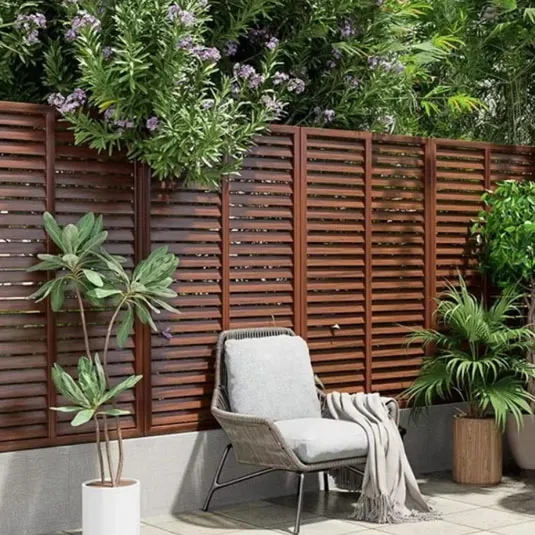
Some areas require more privacy than others.
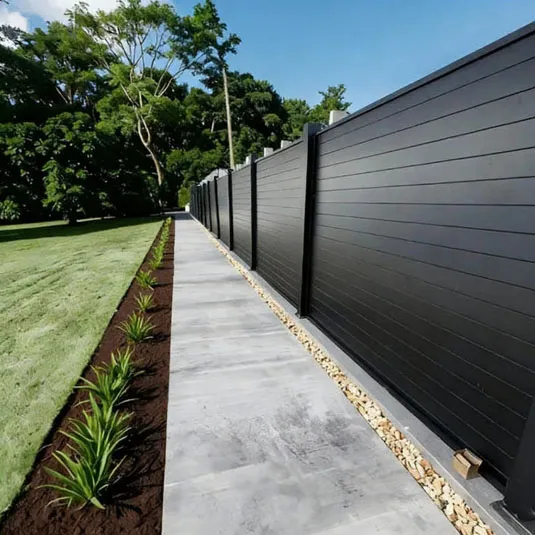
Outdoor dining spaces, patios, and pool equipment areas are often screened with aluminum slat fencing instead of traditional tubular panels. This provides greater privacy while maintaining a modern architectural style.
Rather than selecting a standard fence height for every project, consider how the fence will be used.
Ask yourself a few simple questions:
Is the fence mainly decorative or for security?
Will it surround a swimming pool?
Do you need additional privacy?
Are there local height requirements?
The answers will help determine the most suitable solution. Although exact requirements vary by country, residential aluminum fences are commonly available in heights such as 1200 mm, 1500 mm and 1800 mm, although the best option depends on the application and local regulations.
There is no single fence height that works for every property.
Front yards, backyards, swimming pools, and privacy areas all have different requirements. Choosing the right height at the planning stage helps create a fence that not only looks good but also performs as expected.
If you're planning a residential aluminum fencing project, sharing your layout, dimensions, and intended application with your supplier before production helps ensure the fence height, gate configuration, and panel design are matched to your project.