



What are you looking for?
When importing metal fencing, most buyers focus on product price, material quality, and delivery time.
However, there is another factor that can directly affect the final project cost: packaging.
For Australian importers, distributors, and fence contractors, packaging is not only about protecting products during transportation. It also affects unloading efficiency, warehouse management, labour costs, and the condition of products when they arrive.
A supplier with a lower product price may not always provide the lowest overall cost if poor packaging creates additional work after delivery.
Metal fence products usually travel thousands of kilometres by sea before reaching Australia.
During transportation, unstable packaging can create problems when containers are unloaded.
For example, oversized or poorly balanced wooden frames may become difficult to handle with forklifts after long-distance shipping. If the packaging is not designed properly, customers may need to spend additional time unpacking and reorganising products before they can be stored or installed.
A well-designed packaging system should consider:
● Forklift operation
● Container space utilisation
● Package stability during transportation
● Easy handling after arrival
The goal is simple: products should arrive ready for unloading, not requiring extra preparation.
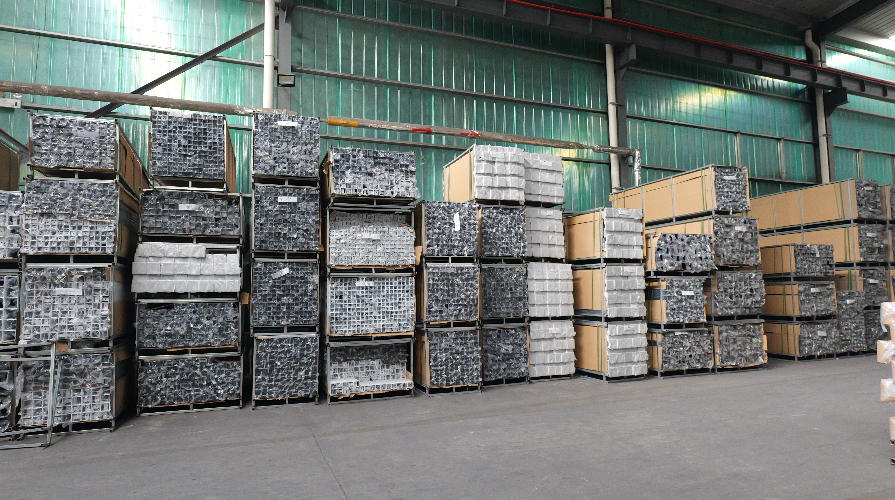
For large fencing orders, organisation is just as important as protection.
A container may include:
● Fence panels
● Posts
● Gates
● Hardware accessories
If different specifications are mixed together without clear identification, customers may need to spend hours sorting products after receiving the shipment.
Professional export packaging should separate products by specification and provide clear labels showing important information such as:
● Product type
● Size
● Quantity
● Package number
● Order reference
This allows warehouse teams to quickly identify products and reduces unnecessary handling time.
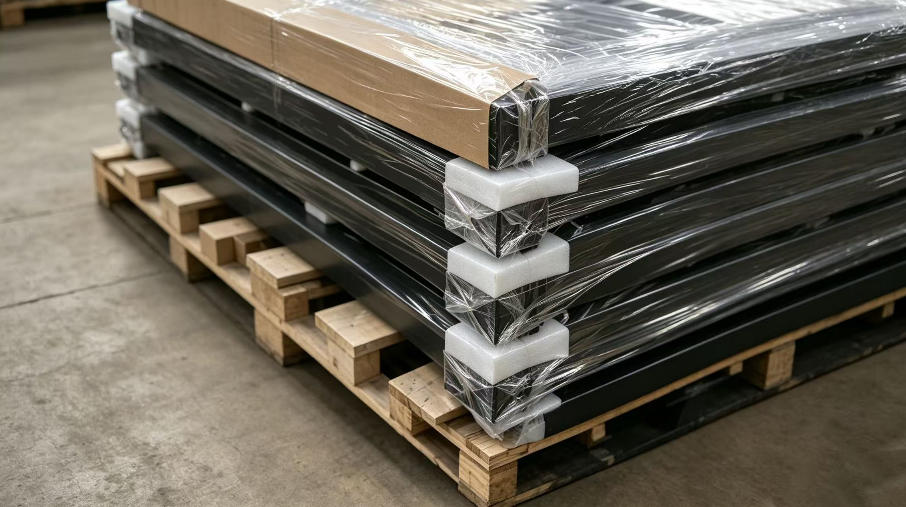
Powder-coated metal fencing requires proper protection during long-distance transportation.
Without suitable protection, products may experience:
● Surface scratches
● Coating damage
● Corner impact
● Moisture-related issues
Effective packaging may include:
● Protective wrapping
● Corner protection
● Separation between products
● Moisture-resistant materials
These details help ensure that the products arrive in the same condition as when they left the factory.
Some suppliers may reduce packaging costs to offer a lower initial quotation.
However, the real cost of an order includes much more than the factory price.
Buyers should also consider:
● Additional unloading time
● Warehouse labour
● Product damage risks
● Replacement and after-sales costs
A reliable fence supplier understands that good packaging is part of product quality and customer service.
For international buyers, a successful order does not end when products leave the factory.
The supplier should consider the entire process, from production and packing to transportation and final delivery.
Proper packaging helps Australian importers receive products more efficiently, reduce hidden costs, and avoid unnecessary problems after the container arrives.
When comparing fence suppliers, it is worth looking beyond the product price. A supplier who invests in professional packaging is also helping customers protect their time, labour, and long-term business value.
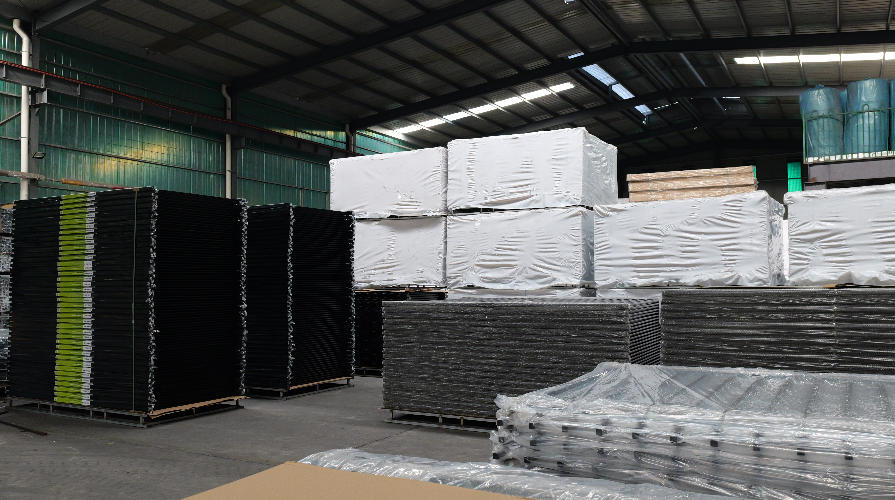
For international fence buyers, receiving products in good condition is just as important as the manufacturing process itself.
A successful export order requires more than producing quality fence panels. It also requires careful planning before shipment, including packaging, identification, inspection, and container loading.
For Australian importers and contractors, a well-organised export process helps reduce handling problems, save warehouse time, and ensure products are ready for installation after arrival.
Different markets have different requirements for product handling and storage.
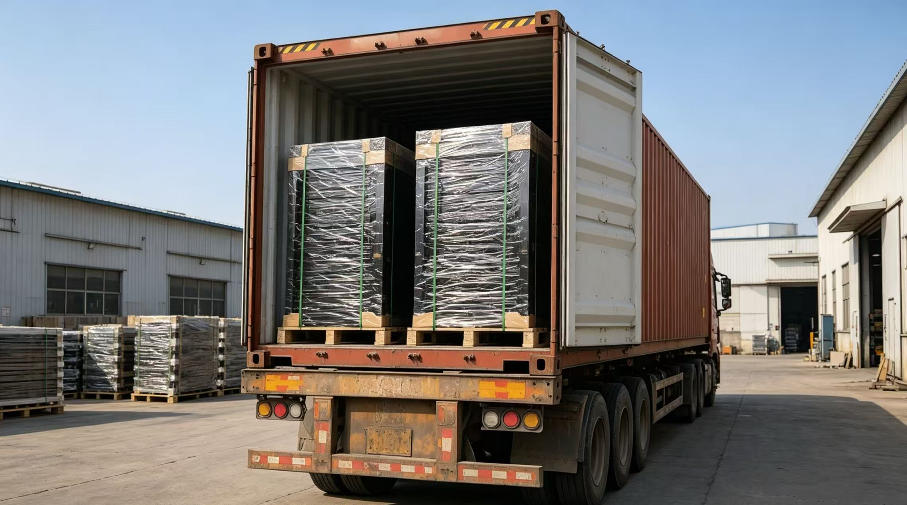
When preparing metal fence orders for export, packaging should be designed with transportation and unloading in mind.
A professional packaging system should consider:
● Pallet size and stability
● Forklift accessibility
● Container space utilisation
● Product protection during transportation
By using suitable pallet structures and organised loading methods, fence products can remain stable throughout long-distance ocean shipping and arrive ready for efficient unloading.
A complete fencing order usually includes more than panels.
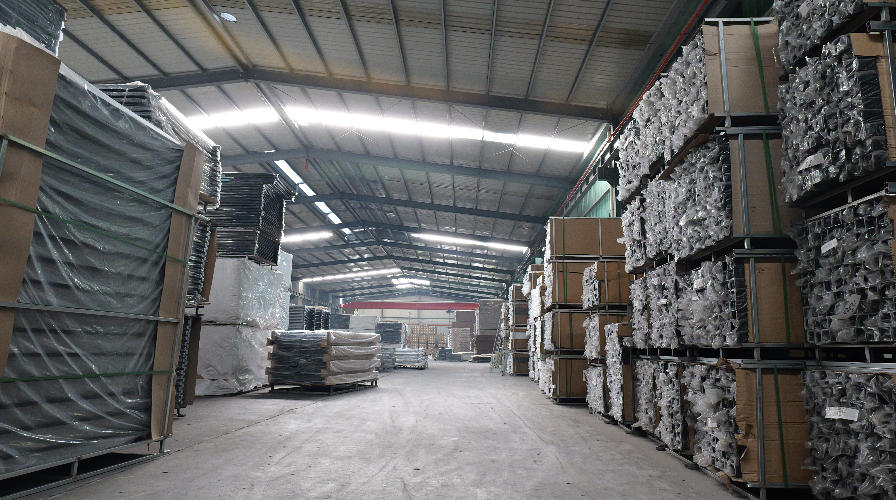
Depending on the project, shipments may contain:
● Fence panels
● Posts
● Gates
● Brackets
● Hardware accessories
To make warehouse management easier, different components should be packed separately and clearly identified.
For distributors and contractors, this means less time spent sorting products after receiving the container and a smoother transition from delivery to installation.
Large fencing projects often involve hundreds of panels and accessories.
Without clear identification, it can be difficult for customers to quickly confirm which products belong to each part of the project.
Professional export packaging should include clear labels with information such as:
● Product model
● Dimensions
● Quantity
● Package number
● Order reference
This helps customers organise inventory and locate the correct products when they are needed.
Metal fencing may experience vibration, movement, and humidity during ocean transportation.
Proper protection helps reduce risks such as:
● Scratched powder coating
● Damaged corners
● Surface marks
● Moisture exposure
Depending on the product type, protective materials and suitable packing methods can be used to keep products secure throughout the shipping journey.
For powder-coated aluminum and steel fencing, protecting the finished surface is especially important because appearance directly affects the final installation quality.
Before shipment, a complete check should be carried out to confirm that everything matches the order requirements.
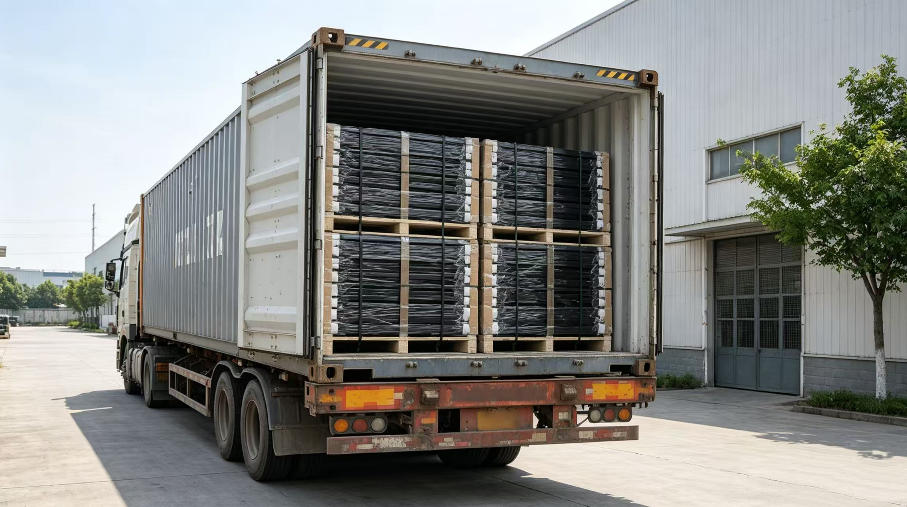
The inspection process may include:
● Product quantity checking
● Appearance inspection
● Accessory confirmation
● Packaging condition checking
● Loading arrangement review
Providing loading photos and shipment records also gives customers better visibility before the container leaves the factory.
For international buyers, choosing a fence supplier is not only about production capacity or product pricing.
A reliable supplier should understand the complete export process and help customers avoid problems after delivery.
From packaging design to final container loading, every step affects the efficiency and success of the order.
By treating packaging and shipment preparation as part of quality control, professional manufacturers can help customers reduce risks, improve handling efficiency, and build a more reliable supply chain.