

What are you looking for?
A fence can be manufactured exactly to specification and still cause problems on site.
This is something contractors often discover only after the materials arrive. The panels look right, the posts are correct, and the accessories are included, yet the installation takes longer than expected or requires unexpected adjustments.
In many cases, the problem is not the fence itself. It starts with details that were not considered before production.
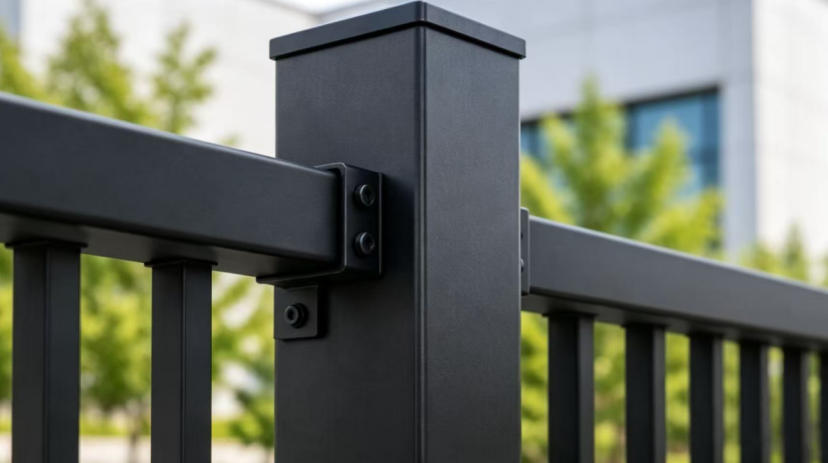
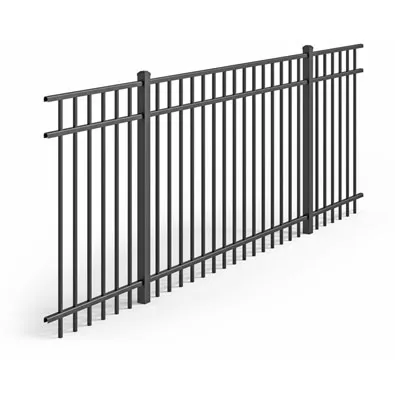
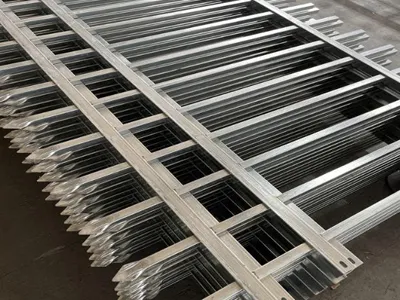
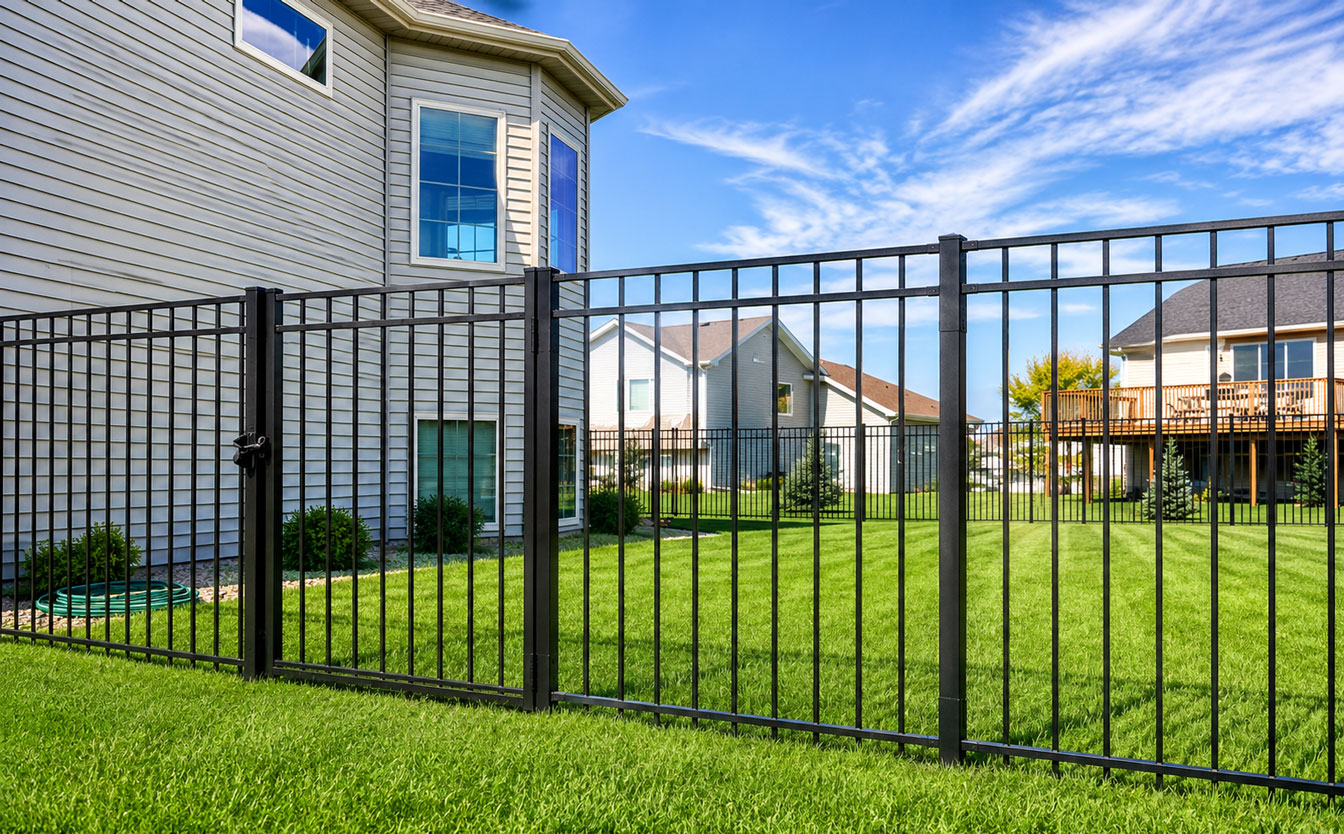
Fence panels are usually produced to a specific width, but the distance between posts also needs to match the actual panel dimensions.
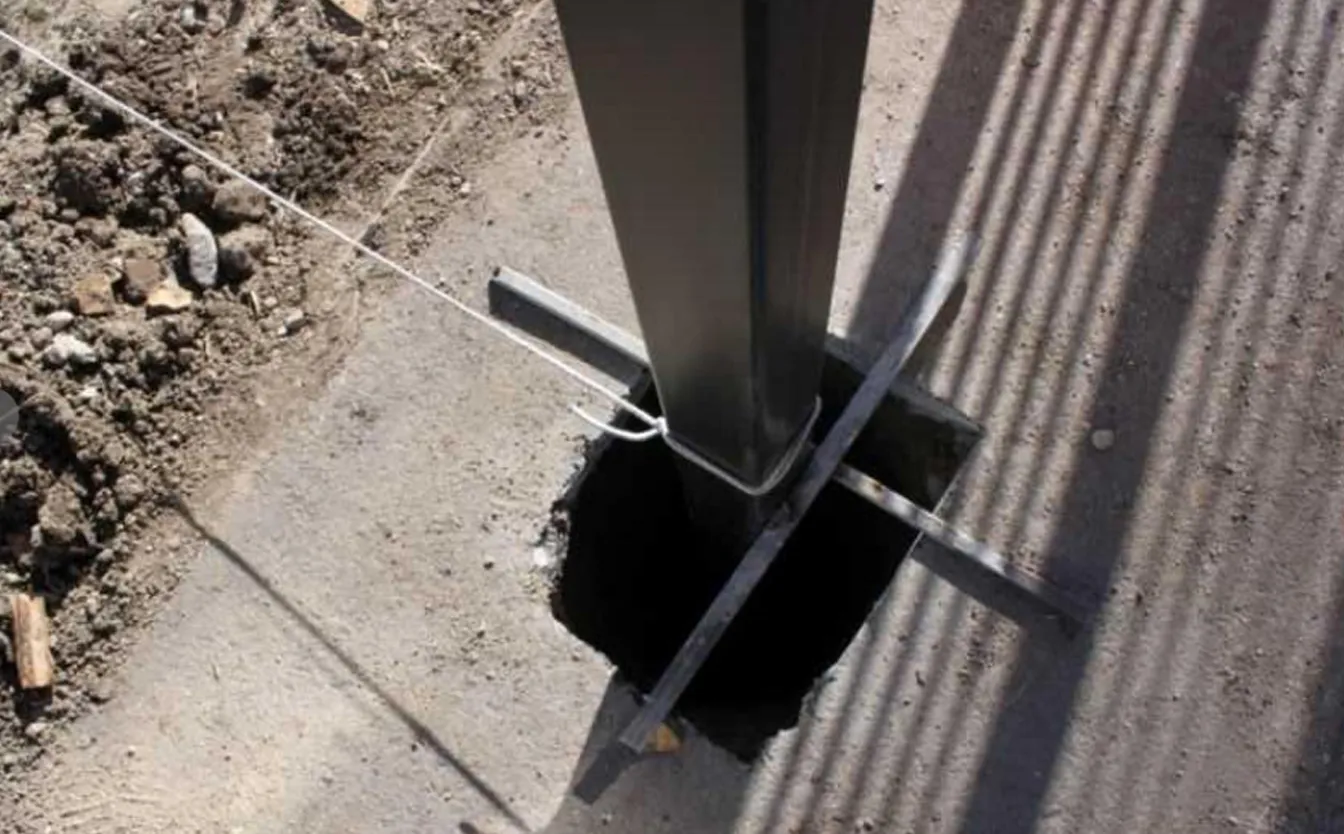
If the post spacing is slightly different from the agreed specification, installers may find that the last panel does not fit properly. On a large project, making adjustments on site can mean additional cutting, drilling, labour, and wasted materials.
This is why panel width and post spacing should be confirmed together before production.
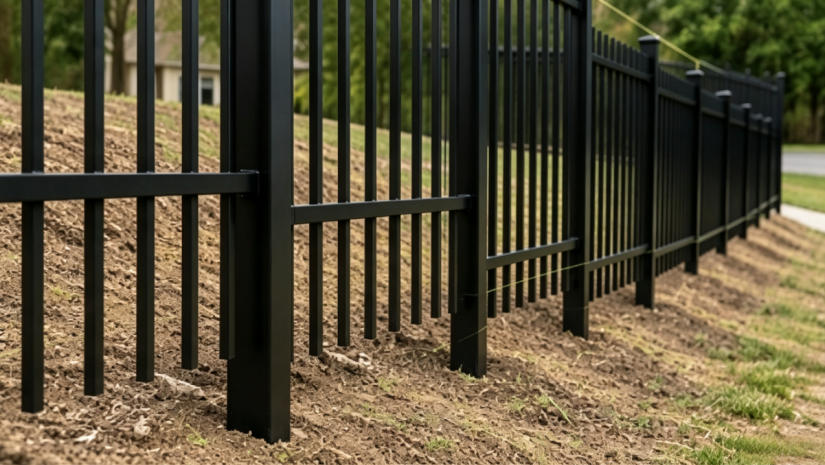
A standard fence may work well on level ground, but real projects are not always flat.
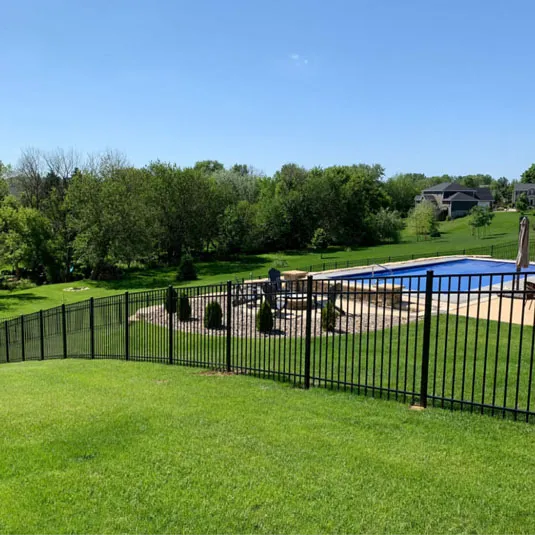
Sloping driveways, uneven ground, retaining walls, and changes in elevation can all affect how panels and posts are installed.
For some projects, the fence needs to follow the slope. For others, a stepped installation may be more suitable.
The important point is to consider the site conditions before the fence is manufactured, rather than trying to solve everything after the products arrive.
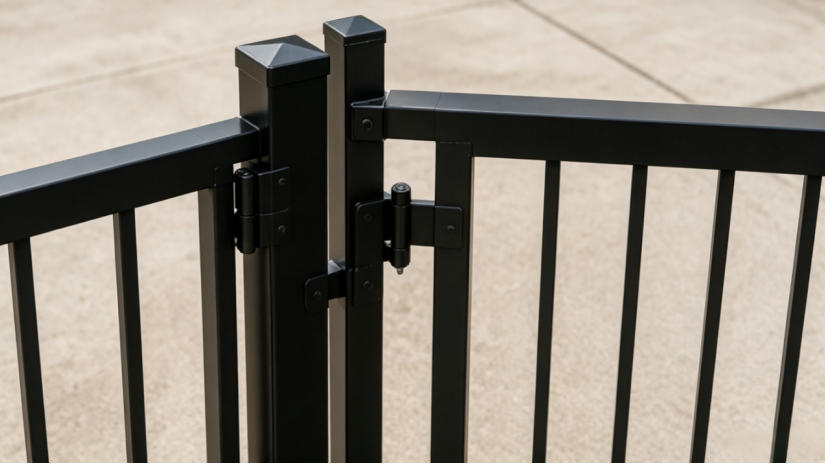
Gates are another common source of installation problems.
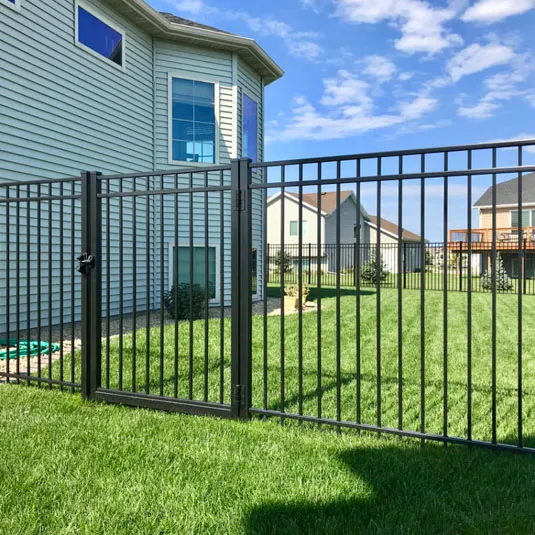
The opening width, gate height, hinge position, latch, post size, ground clearance, and swing direction all need to work together.
A gate may be manufactured correctly according to its drawing, but if the opening or supporting posts are different on site, installation can become difficult.
For this reason, gate details should be confirmed as part of the complete fencing system, not treated as a separate item.
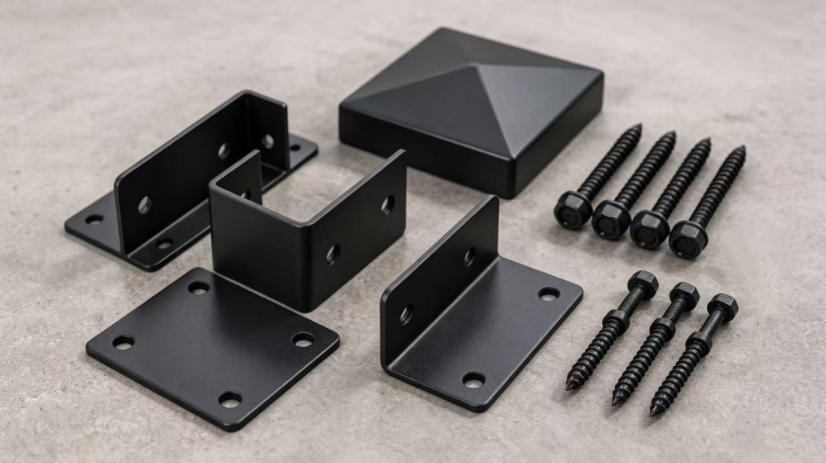
Brackets, connectors, screws, post caps, hinges, and latches may seem like small components, but the wrong accessory can delay an entire installation.
For example, a bracket designed for one profile size may not fit another profile correctly. Having all accessories confirmed together with the main products can prevent unnecessary adjustments on site.
For contractors and project buyers, a smooth installation depends on more than receiving good-quality fence panels.
Panel dimensions, post spacing, ground conditions, gate openings, and accessories should be reviewed before production begins.
A manufacturer that understands how its products will actually be installed can identify potential problems earlier and adjust the specifications before materials are made.
The goal is simple: the fence should arrive ready to install, rather than ready to be modified.
For overseas buyers, this kind of preparation can save considerably more time and labour than trying to solve installation problems after the shipment arrives.