What are you looking for?
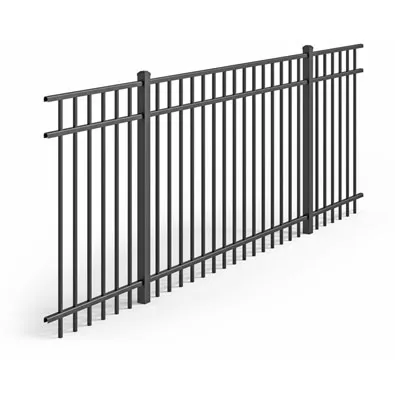
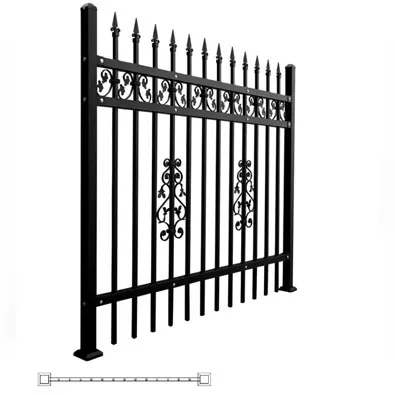
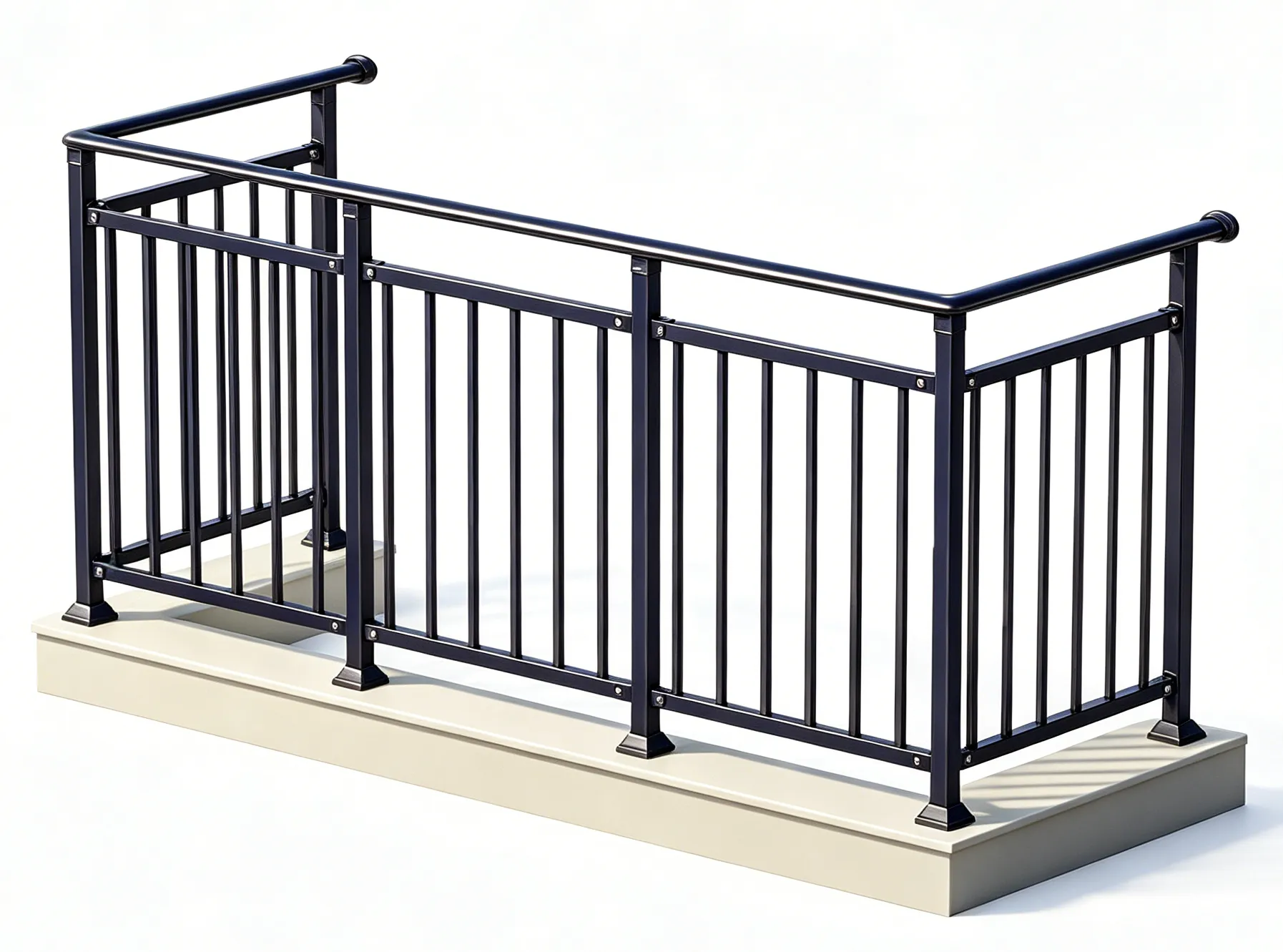
If you're planning a new fencing project in 2026, one of the first questions you'll ask is: "How much does an aluminum fence cost?"
The answer depends on fence height, style, project size, and installation requirements. However, aluminum fencing remains one of the most popular choices for residential and commercial properties because it offers long-term value with very little maintenance.
For most projects, aluminum fencing typically costs more upfront than wood or chain link fencing. However, it does not rust, rot, or require regular painting, which helps reduce maintenance expenses over time.
Several factors can affect the final project cost:
• Fence height and panel design
• Gate size and quantity
• Powder coating color and finish
• Ground conditions and installation difficulty
• Local labor costs
For homeowners, aluminum fencing provides a clean appearance and long service life. For contractors and developers, it offers fast installation and fewer warranty issues compared with many traditional materials.
When comparing fencing options, it's important to look beyond the initial purchase price. A fence that lasts 20 to 30 years with minimal maintenance often delivers a better return on investment than a lower-cost alternative.
If you're planning a project this year, requesting quotes from multiple suppliers and comparing material quality, warranty coverage, and lead times can help you make the best decision.
Aluminum fencing continues to be one of the most cost-effective long-term fencing solutions available in 2026.
Choosing between aluminum and steel fencing is one of the most common questions property owners and contractors face.
Both materials offer strength, security, and attractive appearance, but the right choice depends on your project requirements.
Aluminum fencing is known for being lightweight, rust-resistant, and easy to maintain. Because aluminum naturally resists corrosion, it performs especially well in coastal areas and regions with high humidity. Most homeowners appreciate that it never needs painting and requires very little upkeep.
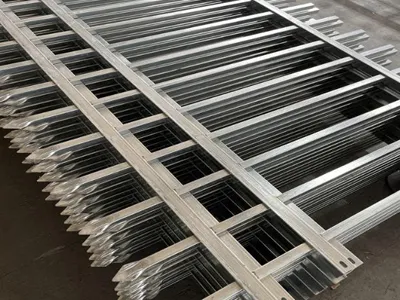
Steel fencing is generally heavier and can provide additional strength for commercial, industrial, or high-security applications. Galvanized and powder-coated steel fences offer excellent durability, although they may require more maintenance over time if the protective coating becomes damaged.
When comparing the two options:
• Aluminum is better for low maintenance.
• Aluminum performs better in coastal environments.
• Steel offers greater impact resistance.
• Steel is often preferred for high-security projects.
• Aluminum is typically easier and faster to install.
For most residential properties, aluminum fencing provides the best balance of appearance, durability, and long-term value. For commercial sites that require maximum strength and security, steel fencing may be the better choice.
The best fence is not always the strongest one—it's the one that best matches your project's environment, budget, and maintenance expectations.