What are you looking for?
As a dedicated aluminum fence manufacturer with years of experience supplying contractors, builders, and homeowners across the country, we frequently receive the same question: “Is aluminum fencing cheaper than wood?”
The short answer is: It depends on your time horizon. Aluminum fencing typically has a higher upfront cost than wood, but it delivers significantly better long-term value due to near-zero maintenance and a much longer lifespan. In our manufacturer's guide, we break down the real numbers for 2026, address common concerns, and help you decide what's truly worth it.
Upfront cost: Wood usually wins. Lifetime cost (10–30+ years): Aluminum is generally the more economical choice.
In 2026, here's a realistic installed cost comparison (materials + professional labor, per linear foot):
| Aspect | Wood Fence | Aluminum Fence | Winner |
|---|---|---|---|
| Upfront Installed Cost | $20 – $50+ | $25 – $65+ | Wood |
| Material Only | $10 – $30 | $15 – $50 | Wood |
| Maintenance (per year) | $2 – $8 (staining, sealing, repairs) | Almost $0 | Aluminum |
| Expected Lifespan | 10 – 20 years | 25 – 50+ years | Aluminum |
| 25-Year Total Cost | Higher (due to replacements & upkeep) | Lower | Aluminum |
| Resale / Curb Appeal | Good (natural look) | Excellent (premium modern look) | Tie / Aluminum |
Key takeaway: While a basic wood fence may save you money initially, many property owners end up spending more over time on staining, repairs, and eventual replacement. High-quality aluminum fencing often pays for itself within 8–12 years.
We believe in transparency. Here are the honest drawbacks of aluminum fencing:
Higher initial investment — Especially for ornate or privacy styles.
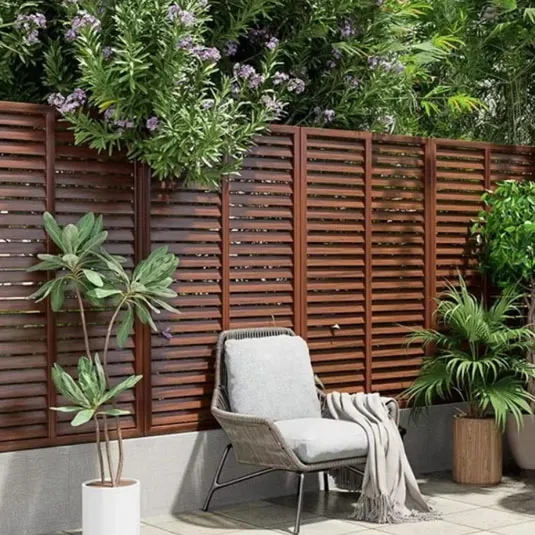
Less privacy — Most ornamental aluminum fences have gaps between pickets (though privacy inserts or solid panels are available as solutions).
Potential for lower-end products to look cheap — Poorly manufactured or thinly coated fences can appear flimsy or fade over time.
Design limitations — Not ideal if you want a fully solid, traditional “wood wall” appearance without add-ons.
Compared to wood, aluminum avoids warping, rotting, insect damage, and frequent painting — major pain points for wood owners.
Not when you choose quality.
This is one of the most common misconceptions. Low-cost, mass-produced aluminum fence with thin material and basic coating can indeed look inexpensive. However, premium aluminum fencing from reputable manufacturers features:
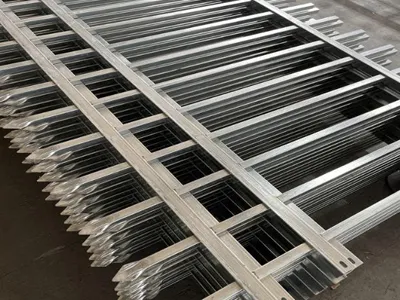
Heavy-gauge extruded aluminum
High-quality TGIC powder coating that resists fading and chipping
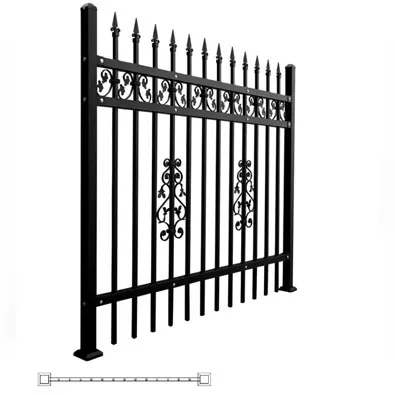
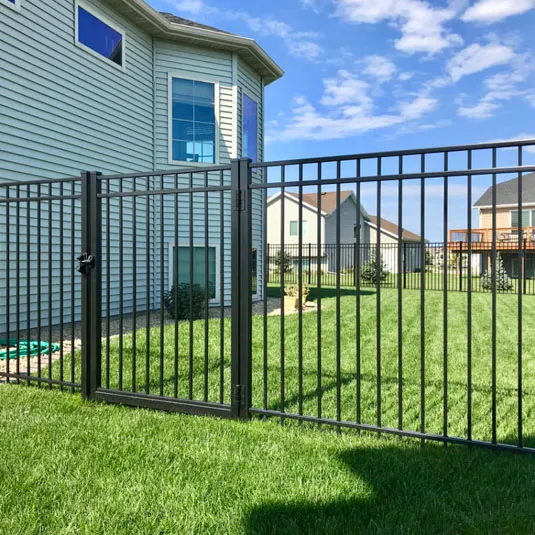
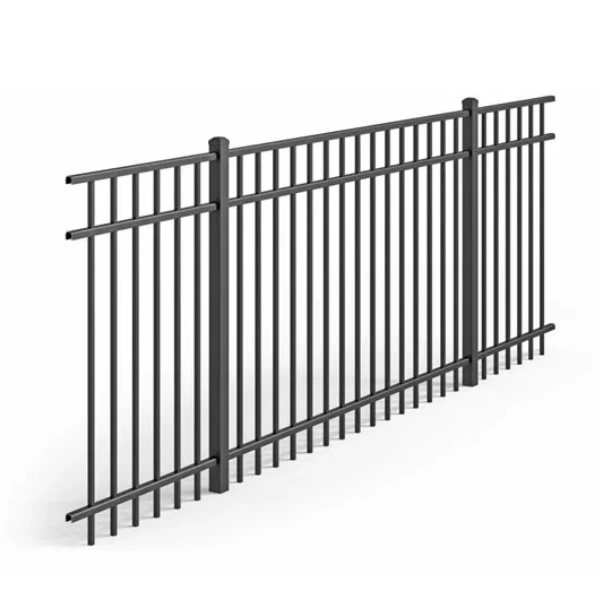
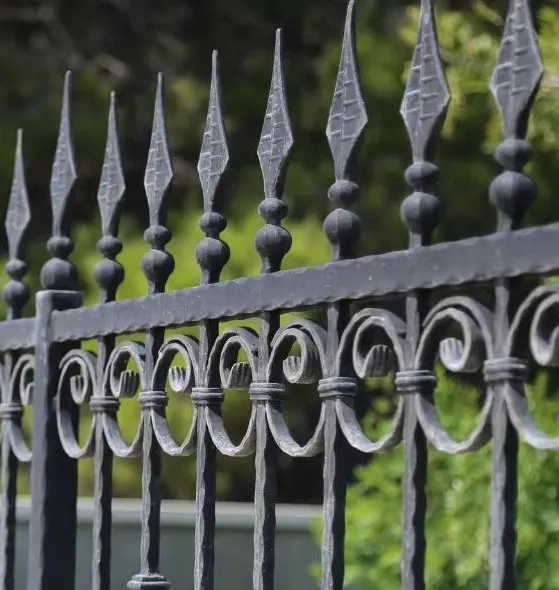
Elegant designs that closely mimic wrought iron
Sand-cast finials and reinforced rails for a substantial, premium appearance
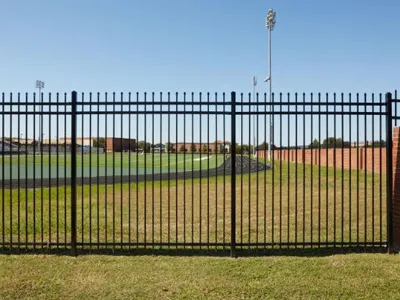
Well-made aluminum fences often enhance curb appeal and are frequently mistaken for much more expensive wrought iron. They maintain their sharp, professional look for decades without the weathering issues that make old wood fences appear rundown.
Yes — for most homeowners and commercial properties.
Aluminum fencing is worth the investment if you value:
Low or zero maintenance
Long-term durability (especially in harsh weather, coastal areas, or high-humidity regions)
Consistent beauty over 20–30+ years
Better return on investment when selling your property
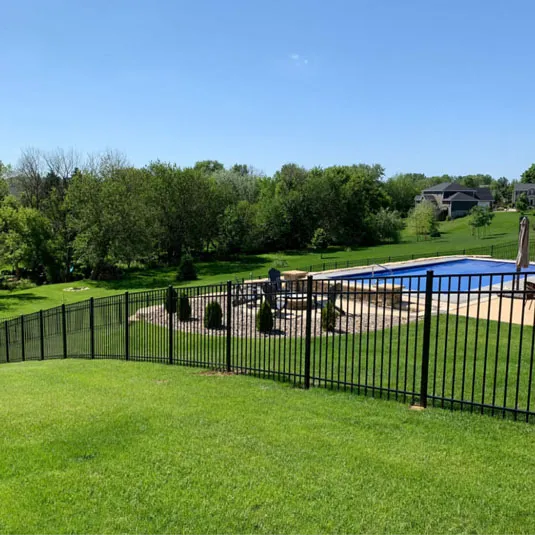
It's particularly ideal for pool enclosures, front yards, estates, and commercial properties where appearance and minimal upkeep matter. Wood may suit budget-conscious buyers who enjoy DIY maintenance and a rustic aesthetic — but for busy homeowners and long-term investors, aluminum usually delivers superior overall value.
We engineer our fences for strength, beauty, and longevity. Our powder-coated aluminum systems are built to withstand the elements while maintaining elegant aesthetics that elevate any property. Contractors and procurement teams benefit from competitive wholesale pricing, reliable lead times, and full technical support.
Q: Is aluminum fencing cheaper than wood? A: Upfront, wood is often cheaper. Over 10–25 years, aluminum usually becomes the lower-cost option due to minimal maintenance and no need for replacement.
Q: What are the main disadvantages of aluminum fences? A: Higher initial cost, potentially less privacy (unless using privacy panels), and the risk of looking cheap if you buy low-quality products.
Q: Does aluminum fencing look cheap? A: Only if you choose low-grade options. Premium aluminum fencing looks elegant and often resembles wrought iron — many people find it more attractive and consistent over time than wood.
Q: Are aluminum fences worth it? A: Absolutely for most applications. They offer excellent long-term value, durability, and low maintenance that wood simply cannot match.
Q: How long does an aluminum fence last compared to wood? A: Quality aluminum fences last 25–50+ years with almost no upkeep, while wood typically lasts 10–20 years with regular maintenance.
Ready to find the right fencing solution for your project?
Contact our team today for a custom quote, material samples, or expert recommendations tailored to your needs. As a leading manufacturer, we help contractors and homeowners make confident, cost-effective decisions.
Looking for wholesale pricing or project support? Reach out — we're here to help you build better fences.